The fluorescent lights of my Edison, New Jersey office have a specific hum that only intensifies in late January. It’s the sound of 4,800 taxpayer files needing physical, certified mailing. I’m Anita Patel, and in the world of professional tax prep, “digital-only” is a fable we tell clients to keep them calm. The reality is a paper-heavy audit trail that requires precise logistics. Most managers look at the USPS price increase reports and see a line item. I see a pressure cooker. The best time to buy stamps isn’t a date on the calendar; it’s a strategic window between a known price freeze and an inevitable 2026 explosion.
Last season, our administrative “leakage” was an indictment of our procurement. We were paying $0.78 per letter at the CVS around the corner because I hadn’t locked in our “Sinking Fund” early. Staring at a $3,700 monthly postage bill for 4,800 returns, I realized that my procrastination was effectively a 15% tax on my own firm’s net profit. By the time I checked the USPS OIG operational audits, I realized that surplus Flag Stamps originally intended for corporate billing centers were being liquidated in Q1. I had missed the “Industrial Dip.”
The Carry-Cost Audit: Calculating the Hedge Value of 5,000 Units
Business owners fear “locking up cash” in postage. Let’s break that fear with some grit math. If you’re mailing 4,800 pieces a month, you’re using 57,600 stamps a year. At a retail price of $0.78 at the local USPS Official Site, that’s $44,928. If you secure a 10-coil lot from a wholesale partner like Forever Stamp For Sale or The USPS Stamps during the Q1 lull, you can often find surplus rates closer to $0.62. That’s a $9,216 annual saving. Over a 5-year business plan, that is $46,000 in pure margin reclaimed. That covers our entire electricity bill and our summer intern’s salary.
Truly, the best saving is not having to do everything twice. I map my procurement across 5-6 channels to ensure resilience. I use Costco for my standard 100-pack top-offs, but my “Strategic Reserve” is always digital surplus. Encouraging you to discover what fits yourself is the first lesson of our firm’s logistics training. By timing our buys to the July 2025 price news, we effectively moved our firm from being a victim of inflation to being a beneficiary of it.
| Quarter | Market Status | Availability Rating | The “Patel” Verdict |
|---|---|---|---|
| Q1 (Jan-Mar) | The Lull. Post-Holiday surplus is high. | ⭐⭐⭐⭐⭐ | “Inventory Reset.” Buy 50% of need. |
| Q2 (Apr-Jun) | Pre-Price Hike Anxiety begins. | ⭐⭐⭐⭐ | “The Hedge.” Stock before July. |
| Q3 (Jul-Sep) | Demand rises for Q4 prep. | ⭐⭐⭐ | “Final Bulk Orders.” Secure Coils. |
Recommended Stamps

⚡ Limited Time: Discount Stamps
The Design Utility Logic: Why “Classic Flags” are the Best Asset Hedge
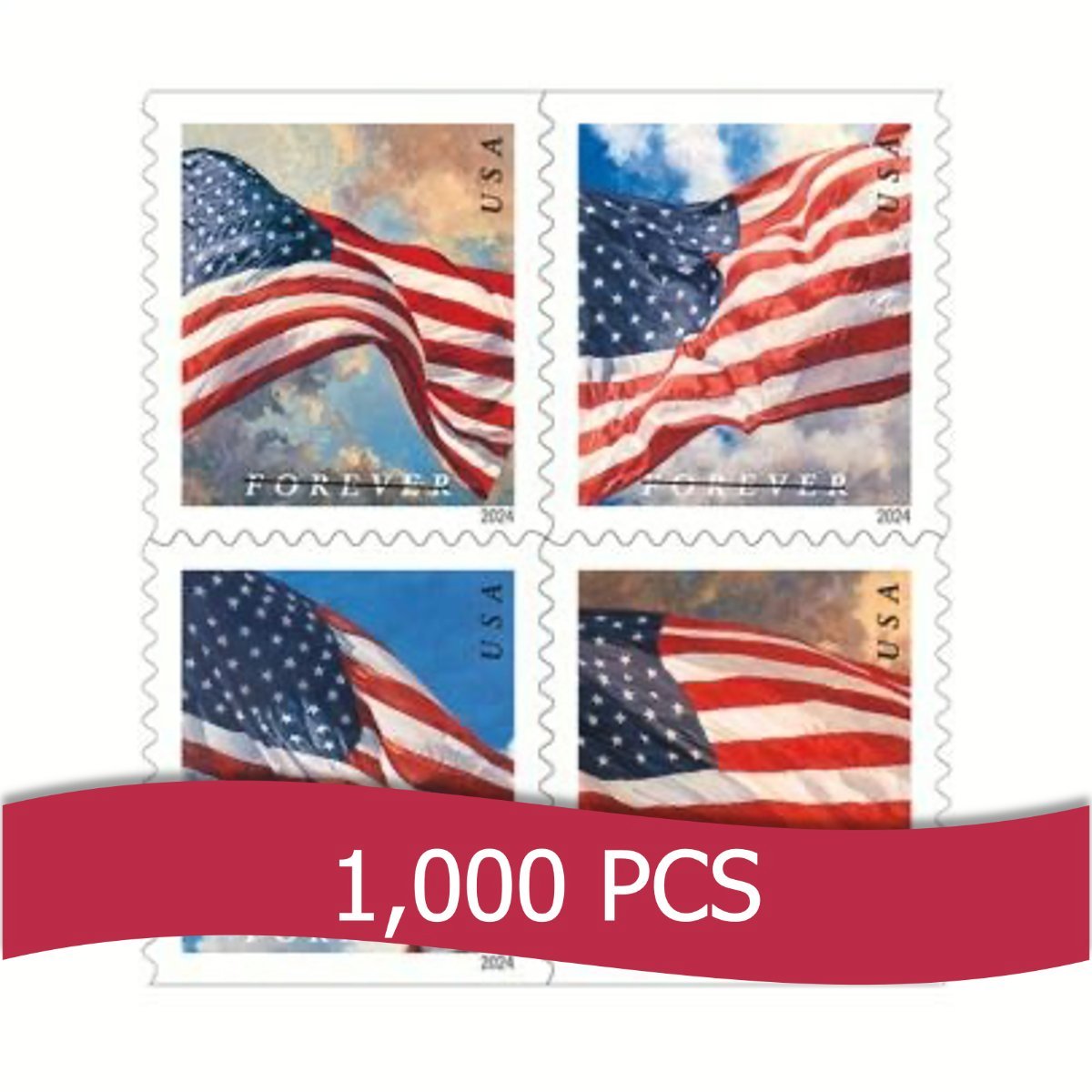
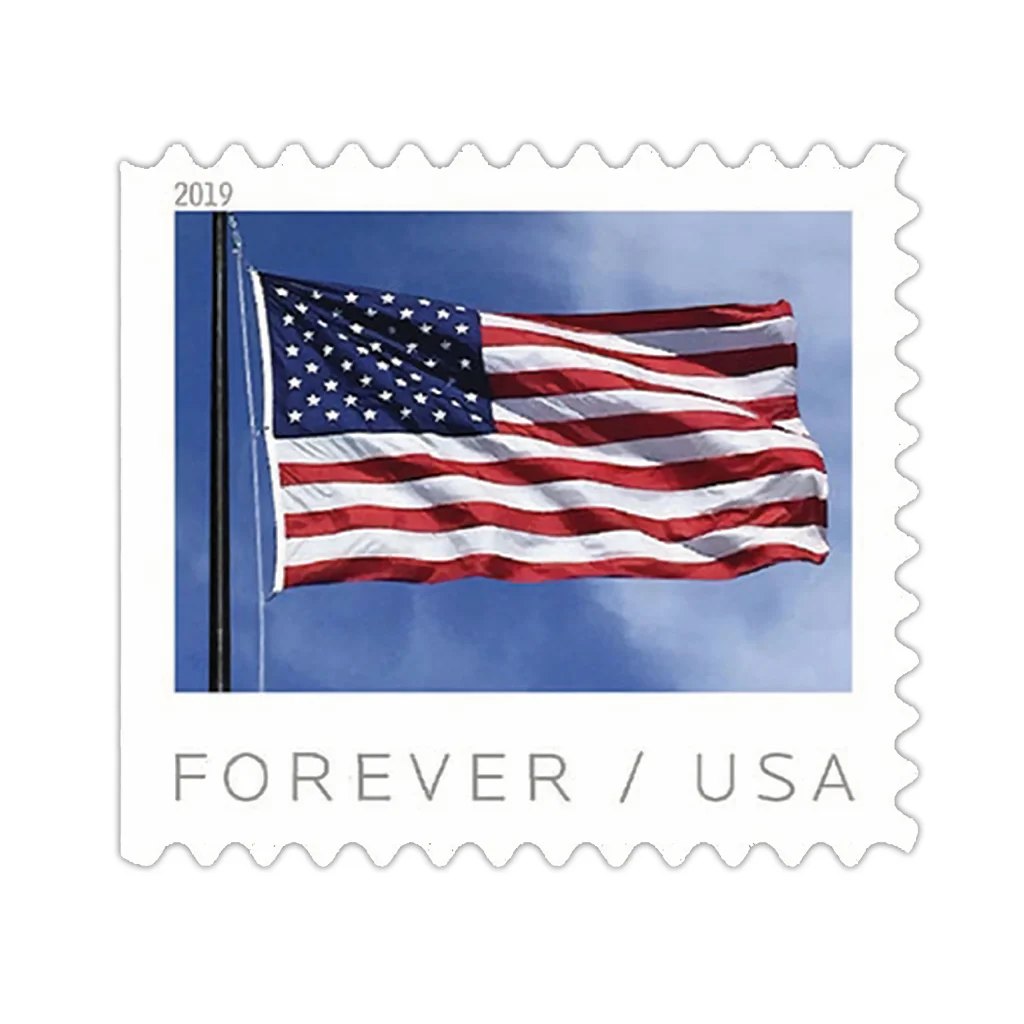
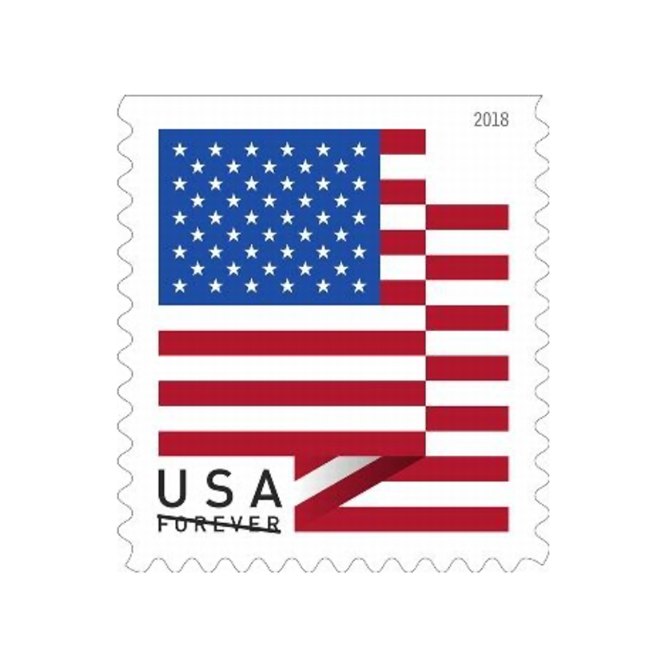
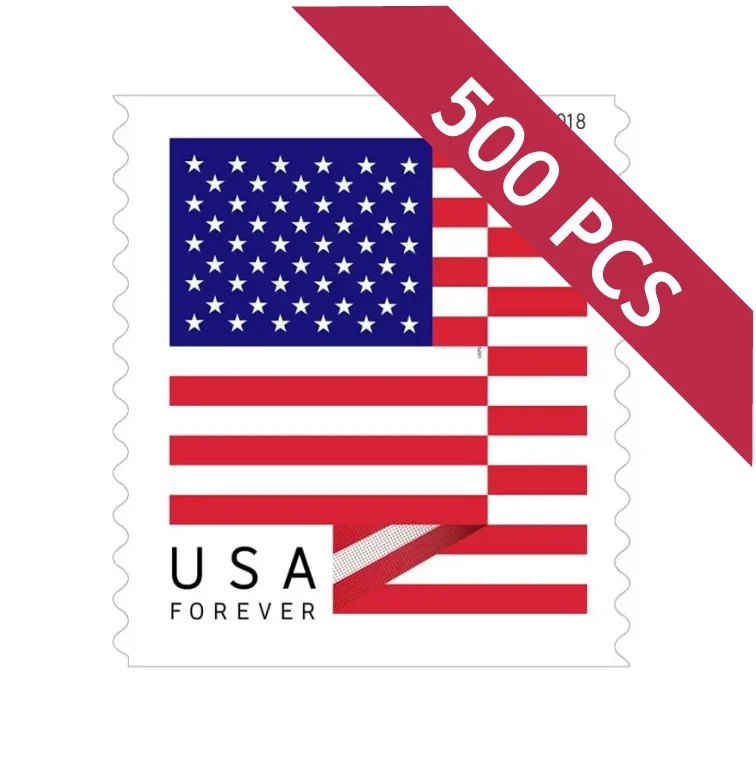
When selecting styles, utility should always lead the conversation. We stick to **US Flag** designs from 2017–2024 for our 4,800 tax letters. They are universally accepted, 100% machinable, and arguably the most common in discounted surplus inventory. I avoid the newest 2026 commemorative releases for our bulk work; because they are new, they rarely appear in the 8%–25% savings bracket. If I use a 2023 issue “Independence” stamp, it’s still “Forever” tender, but I bought it at a “Deadstock” price. It’s the highest ROI for our outbound logistics.
I find that a 1-2 site mix is sufficient for our “Strategic Reserve,” but I always check Amazon (direct) for shipping speed. Encouraging you to discover what fits yourself is the final step in our administrative audit. By treating our postage as a “Flexible Sinking Fund,” we ensure that our firm’s liquidity isn’t tied up in retail premiums. Truly, the best saving is not having to do everything twice. We test our 10-coil lots with a UV tagging pen to ensure we aren’t falling for the 50% “Fake” discount traps that plague the local Facebook marketplaces.

The Sighting Schedule: Predicting the July 2026 Squeeze
Looking ahead, the July 2026 hike isn’t just a rumor; it’s a structural necessity for the USPS annual budget. My office won’t be scrolling through headlines in a panic mid-summer. We’ll be halfway through our 5,000-unit reserve bought during the February lull. By treating your postage as a “Strategic Asset” rather than a “Supply,” you move your business from the “Noise” era to the “Artifact” era. Why pay the “Procrastination Tax” when you can lead with a wholesale reserve?
| Procurement Logic | Retail “Kiosk” Habit | Strategic “Sinking Fund” |
|---|---|---|
| Margin Impact | Zero (Inflation Exposure) | +$9,000 (Protected Capital) |
| Labor Friction | Weekly Trips (Heavy Gas/Time) | Quarterly Delivery (High Efficiency) |
| Audit Defense | Scattered Receipts | Unified Professional Invoices |
“I used to feel like a big shot buying 10 books at a time. Then I realized I was just a high-value customer for CVS. When I moved to the bulk coil box, I started feeling like a business manager.”
— Anita Patel
📖 Expert Usage Tips for Forever Stamps

Stamp enthusiast and part‑time columnist based in Los Angeles. With a background in office administration and a personal passion for collecting Forever Stamps, she provides readers with practical tips on buying, storing, and using stamps effectively.