The most expensive myth in insurance marketing is that email replaced mail. It did not — it replaced the mail that nobody reads, while the mail that matters still arrives on paper. A renewal notice filtered into a promotions tab is a lapsed policy; the same notice in a physical envelope is a renewal. This article prices the difference for an insurance agency: the renewal-mail math, a 90-day cadence, and what goes in the envelope, at the current $0.82 Forever rate.
Key Takeaways
- A renewal notice that is never seen is a lapsed policy. Physical mail is seen; a filtered email often is not.
- One renewal round for 1,500 policyholders costs $1,230.00 in postage at $0.82. A three-touch cadence costs $3,690.00 a year.
- A single retained policy covers the entire annual mailing cost many times over — price the mail against retention, not against postage.
- The cadence is 45, 30, and 15 days before renewal: notice, reminder, and final call, each with a reason to act now.
The Renewal-Mail Math
Example — a 1,500-policyholder agency (assumptions stated): an independent insurance agency holds 1,500 policies, each renewing once a year. One renewal letter per policyholder costs 1,500 × $0.82 = $1,230.00 in postage per renewal round. A three-touch cadence — notice, reminder, final call — costs 4,500 × $0.82 = $3,690.00 a year. Set that against a single retained policy: an average annual premium retained is worth many times the $2.46 of postage spent on that policyholder’s three letters. The mail is not a cost to minimize; it is a retention expense with a visible return.
| Mailing | Pieces per year | Postage at $0.82 |
|---|---|---|
| One renewal letter per policyholder | 1,500 | $1,230.00 |
| Three-touch cadence (45/30/15 days) | 4,500 | $3,690.00 |
| Three-touch cadence + postcard follow-up ($0.65) | 4,500 letters + 1,500 postcards | $4,665.00 |
Formats to price separately: a 2-ounce renewal packet with an enclosure costs $1.11; postcards cost $0.65; square envelopes need the $1.31 Non-Machinable stamp ($0.82 + $0.49 surcharge); international client mail needs the $1.75 Global Forever stamp.

A 90-Day Renewal Cadence
| Timing | Touch | Format | What it says |
|---|---|---|---|
| 45 days before renewal | Renewal notice | 1-oz letter | Your policy renews on this date; here is what changed; here is what to do |
| 30 days before renewal | Reminder | 1-oz letter or postcard | Renewal is 30 days out; the action takes five minutes |
| 15 days before renewal | Final call | 1-oz letter | Renewal is 15 days out; here is the direct number to call |
The cadence is a system, not three separate mailings. Pull the renewal list 60 days out, batch by renewal date, stuff in weekly runs, and log every touch. A policyholder who has heard nothing until the final call is a policyholder already shopping; a policyholder who has heard three times, with a reason each time, is a policyholder who renews.
What Goes in the Envelope
One page, one action. The renewal notice states the renewal date, what changed since last year, and the single action the policyholder must take — with a phone number, not a portal link, as the primary route. Enclosures earn their postage: a one-page coverage summary earns $0.29 for the second ounce (total $1.11); a multi-page packet does not, unless the policyholder asked for it. The envelope itself is part of the trust signal: a real stamp, a return address the policyholder recognizes, and no bulk-mail indicia. The agency’s name on the envelope is the reason the letter is opened; the stamp is the reason it is believed.
Measuring the Return
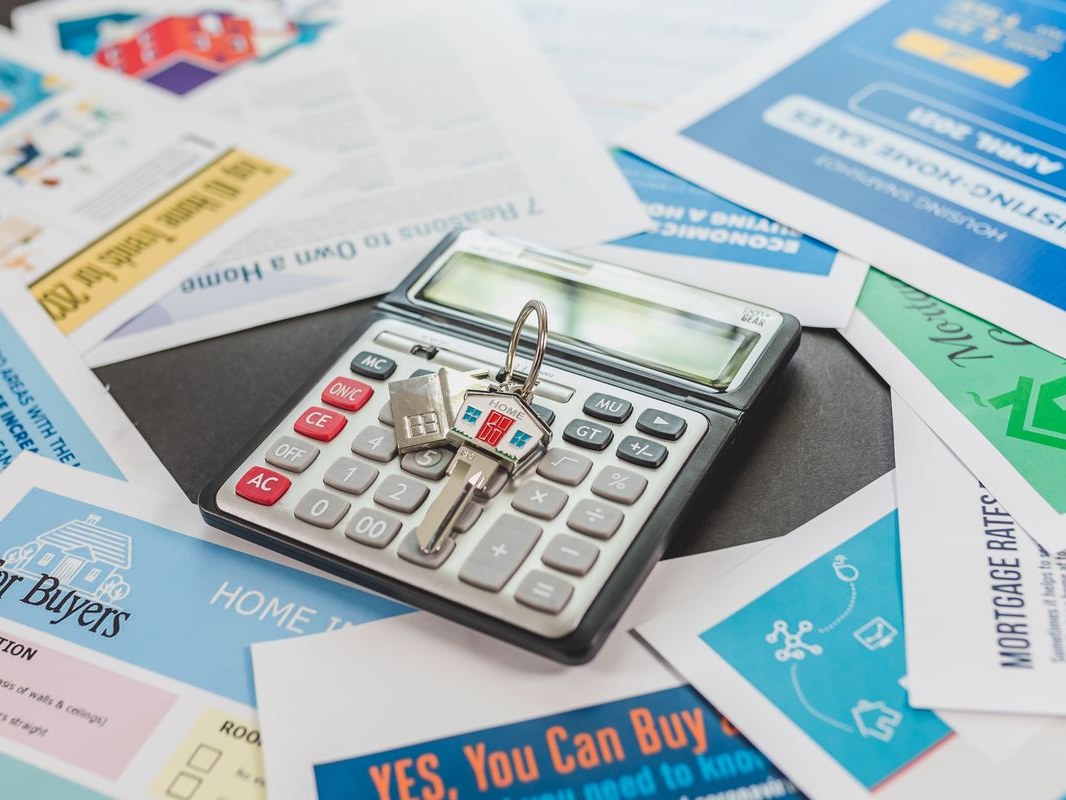
Measure the cadence the way a business measures any retention spend: renewal rate before and after the cadence, lapsed-policy count by month, and the cost per retained policy (annual mailing cost divided by policies retained that would otherwise have lapsed). If the three-touch cadence costs $3,690.00 a year and retains even a handful of policies that would otherwise have lapsed, it has paid for itself many times over. If the numbers do not move after two renewal cycles, change the message — not the channel. The channel is proven; the copy is the variable.
For the full buying checklist, see our Forever stamp buying checklist, and for the supplier audit behind the stamp order, 2026 guide to buying USPS stamps online. We sell bulk Forever stamps in coils, sheets, and booklets with inspection before dispatch and tracked shipping — 45 rolls cover a full year of a 1,500-policyholder cadence.
Frequently Asked Questions
Why should insurance agents mail physical renewal notices?
Because a renewal notice that is filtered into a promotions tab is a lapsed policy. Physical mail is seen and opened; the renewal cadence in this article costs $3,690.00 a year in postage for 1,500 policyholders — less than a single retained policy is worth.
How much does renewal mail cost an insurance agency?
One renewal letter per policyholder costs $1,230.00 in postage for 1,500 policies at the $0.82 rate. A three-touch cadence (45/30/15 days) costs $3,690.00 a year.
What is the best renewal reminder schedule?
45, 30, and 15 days before renewal: notice, reminder, and final call. Each touch has a reason and a single action; batch by renewal date and log every touch.
How much does a Forever stamp cost in 2026?
A Forever stamp costs $0.82 for a 1-ounce letter, effective July 12, 2026. Postcards cost $0.65, a 2-ounce letter costs $1.11, a Non-Machinable stamp costs $1.31, and a Global Forever stamp costs $1.75.
What should go in a renewal envelope?
One page, one action: the renewal date, what changed, and the single step the policyholder must take — with a phone number as the primary route. A one-page enclosure makes the letter 2 ounces, $1.11.
Sources
USPS Notice 123, effective July 12, 2026, for the $0.82 Forever rate, $0.29 additional ounce, $1.11 two-ounce letter, $0.65 postcard, $0.49 non-machinable surcharge, $1.69 large envelope, and $1.75 Global Forever rate. USPS Postal Store (usps.com) for the $1.31 Non-Machinable stamp as a single-use stamp ($0.82 + $0.49).
Three touches, one retained policyholder at a time — the mail pays for itself in renewals. Browse bulk Forever stamps by format — coils, sheets, and booklets — in our shop, or start with our Forever stamp buying checklist.

Stamp enthusiast and part‑time columnist based in Los Angeles. With a background in office administration and a personal passion for collecting Forever Stamps, she provides readers with practical tips on buying, storing, and using stamps effectively.