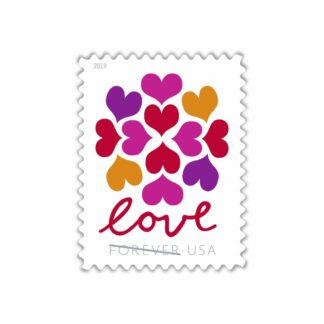
Postage is one of the few business costs you can lock in advance. A Forever stamp bought today at $0.82 still mails a 1-ounce letter after the next price rise — that is the entire design of the stamp, and it is why buying early is a budget decision, not a gamble. The stamp launched in 2007 at $0.41 and costs $0.82 in 2026; every buyer who held a reserve through an increase paid the old price for mail sent at the new rate. This guide works through the history, the reserve math, and the storage rules — without the fantasy of stamps as an investment, because they are not one.
Key Takeaways
- Forever stamp: $0.82 in 2026; launched 2007 at $0.41 — double over 19 years.
- A stamp bought at an old price still mails a 1-ounce letter at the new rate. That is the hedge.
- Order a 60–90 day reserve; reorder below 30 days; add a 10% spare allowance.
- A reserve is a hedge, not an investment — a multi-year stockpile ties up cash and earns nothing.
- Store flat and dry; count on arrival; verify the seller before scaling an order.
Current USPS Rates
| Mailpiece | 2026 USPS rate | Notes for bulk buyers |
|---|---|---|
| Forever stamp, 1 oz letter | $0.82 | Base unit for all First-Class letter budgeting |
| Each additional ounce | $0.29 | Weigh inserts before ordering; 2 oz letter = $1.11 |
| Postcard | $0.65 | Cheapest First-Class format for short messages |
| Non-machinable stamp (single-use) | $1.31 | $0.82 postage + $0.49 surcharge, sold as one stamp |
| Global Forever stamp, 1 oz | $1.75 | One stamp covers a 1 oz letter to any country |
| Large envelope, 1 oz | $1.69 | Flat-size mail; verify thickness and rigidity |
Budget every job from this table. A 2-ounce letter costs $1.11, a postcard $0.65, and a square or rigid piece needs the $1.31 non-machinable stamp. For the full rate reference, see our 2026 price and mailing-rules guide and our complete Forever stamp guide.
Rate History: What Early Buyers Actually Saved
| Year | Forever stamp price | Value of a stamp bought in 2007 at $0.41 |
|---|---|---|
| 2007 | $0.41 | $0.41 |
| 2014 | $0.49 | $0.49 — up $0.08 |
| 2019 | $0.55 | $0.55 — up $0.14 |
| 2023 | $0.66 | $0.66 — up $0.25 |
| 2024 | $0.73 | $0.73 — up $0.32 |
| July 2026 | $0.82 | $0.82 — up $0.41 |
The arithmetic is straightforward. A firm that bought 10,000 Forever stamps in 2007 paid $4,100; those same stamps carry $8,200 of postage value in 2026. That is a worked example, not a promise: the saving only exists if the firm actually mails those 10,000 pieces, and the cash sat in stamps for 19 years instead of earning interest elsewhere. The useful version of the same logic is shorter-term: a 90-day reserve bought before an announced increase is real, immediate protection, and it ties up weeks of cash, not years of it.
The Reserve Worksheet
| Monthly volume | 60-day reserve | 90-day reserve | Reserve cost at $0.82 |
|---|---|---|---|
| 500 pieces | 1,000 stamps | 1,500 stamps | $820–$1,230 |
| 1,000 pieces | 2,000 stamps | 3,000 stamps | $1,640–$2,460 |
| 2,500 pieces | 5,000 stamps | 7,500 stamps | $4,100–$6,150 |
| 5,000 pieces | 10,000 stamps | 15,000 stamps | $8,200–$12,300 |
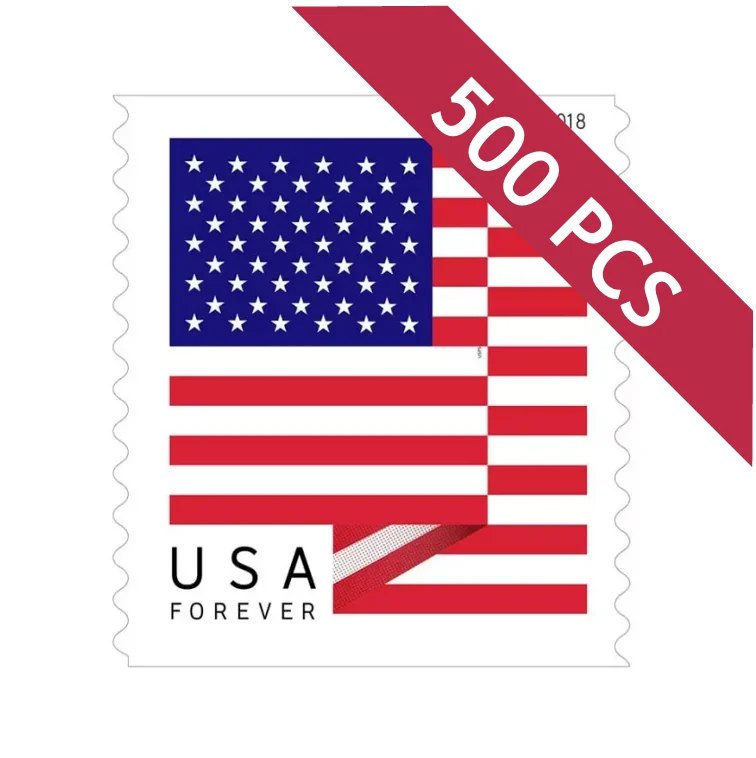
Add a 10% spare allowance on top of the reserve for reprints, corrections, and re-mails. Then set the reorder point: when stock falls to 30 days of volume, order. The system works because it removes decisions from busy days — the count decides, not the calendar. For pack-size planning, see our 100 vs. 500 vs. 1,000 stamp comparison and our 10,000-piece mailing calculator.
Buy Early — But Buy Genuine
The hedge only works with genuine stamps. A below-face offer — 100 stamps for $19.99, or 1,000 for $200 — is not a bargain reserve; it is counterfeit stock that USPS may return or treat as unpaid postage, which means the mailing is re-run at full price on top of the money already lost. Before scaling any order, run the price test (quantity times $0.82), check the seller’s address and phone, pay by card, and start with a small test order from any new supplier. Our scam-spotting checklist and fake-stamp guide cover the verification steps. And never buy from a seller that lists Amazon-style deep discounts as its main pitch — genuine postage does not sell at half of face value.
Storage SOP for a Stamp Reserve
- Count on arrival. Count the delivery against the packing slip before the stamps enter stock. Log the count by design and format.
- Store flat and dry. Sheets flat, rolls upright, in a cool room away from heat, humidity, and direct sunlight. Damp or hot storage degrades the adhesive.
- One location, one owner. Keep the reserve in one place with one person responsible for the count. Stock spread across three desks is stock nobody can count.
- First in, first out. Use the oldest stock first so no roll sits for years while a newer roll is used.
- Reconcile monthly. Count the reserve against the log every month. A count that drifts is a process problem, not a stamp problem.
Frequently Asked Questions
Why should a business buy Forever stamps early?
Because a Forever stamp always covers a 1-ounce letter at whatever the current rate is. Buying a 60 to 90 day reserve at $0.82 locks in today’s rate for the mail you will send after the next increase is announced.
How much did Forever stamps cost in 2007?
The Forever stamp launched in 2007 at $0.41. It costs $0.82 in 2026 — double the launch price over 19 years. A stamp bought at $0.41 still mails a 1-ounce letter today.
How many stamps should a business order at once?
Order a 60 to 90 day supply and reorder when the reserve falls below 30 days. A firm mailing 5,000 pieces a quarter needs about 5,000 stamps per quarter plus a 10% spare allowance.
Is stockpiling stamps a good investment?
It is a hedge, not an investment. Stamps do not pay interest, and tying up a year of cash in stamps is poor cash management. A 60 to 90 day reserve protects the budget; a multi-year stockpile does not earn anything.
How should bulk stamps be stored?
Flat and dry, away from heat and humidity: sheets flat, rolls upright, in a cool room. Count on arrival against the packing slip and log the count so reorders match actual use.
Sources
- USPS Notice 123, Price List (effective July 12, 2026) — First-Class Mail rates including the $0.82 Forever stamp, $0.29 additional ounce, and $1.75 Global Forever stamp.
- USPS Postal Store — Non-Machinable stamp listing at $1.31 ($0.82 postage plus $0.49 non-machinable surcharge).
We stock Forever stamps in rolls, sheets, and booklets in bulk quantities, inspected before dispatch and shipped tracked — order the 60 to 90 day reserve that fits your volume, and reorder when the count says so. Browse our bulk stamp selection or read more business mailing tips to plan your next order.

Former USPS employee with 5 years of service and 25 years in corporate mailing management. Certified in Mail Systems Management and trained at the USPS Business Mail Academy, Kobe now shares trusted guidance on U.S. postage stamps and safe buying practices after retiring in 2023.