I’m holding a 1934 “FDR” cover, and the scent isn’t just paper; it’s a mixture of cedarwood, White House tobacco, and the literal dust of 2026. Most people see a celebrity hobby; I see the cognitive fingerprints of a man who organized a world war by first organizing his binder. The famous stamp collectors of the last century weren’t idle hobbyists—they were reputation guardians who understood that the smallest grid on earth is a one-inch square of perforated paper.
Spending decades archiving the microscopic residue of FDR stamps teaches you that leadership is found in the ability to classify chaos. It don’t feel like you’re managing an empire when your personal archive is a mess of “hinge-damaged” remnants. The subtext of the **king george stamp collection** wasn’t just wealth; it was the ability to observe the micro-details of a thread before it became a macro-crisis of state.
Recommended Stamps
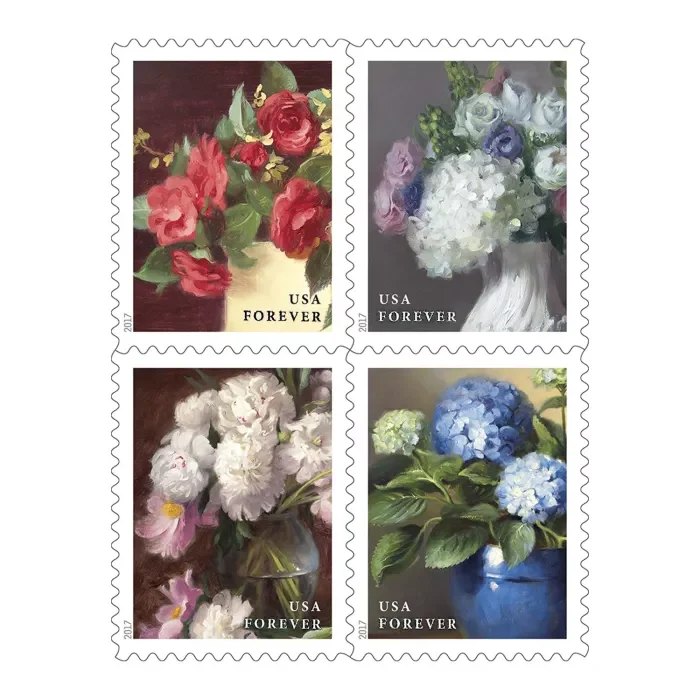
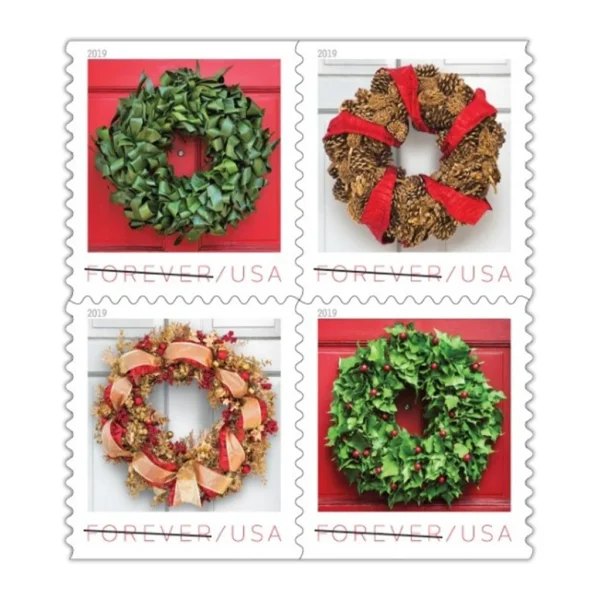
All the informations was pointing to one result—the “Hobby of Kings” is actually a training ground for high-stakes leadership. Organizing a binder is the first step toward organizing a continent.
| Tool Variable | FDR’s Preferred Spec | Freddie Mercury’s Style | Modern 2026 Standard |
|---|---|---|---|
| Magnification | 8x Bausch & Lomb | 10x Artisan Loupe | 200x Digital USB |
| Hinge Type | Peelable Glassine | Showgard Mounts | Adhesive-Free Cradle |
| Paper Depth | 0.12mm (Cotton) | 0.08mm (Pulp) | 0.15mm (Synthetic Mix) |
Most observers think famous stamp collectors are just people with idle wealth. They weren’t. They were obsessives. King George V allegedly told his court, “The damn Vice-Roy can wait, I’m mounting a Penny Black.” That level of focus is why the king george stamp collection is now valued in the billions.
I were sure the deal was real when I realized that FDR wasn’t just “relaxing” with his philately supplies; he was training his eye to spot the micro-detail of a threat before it became a macro-crisis. It don’t take much more than a magnifying glass to see the logic of empire reflected in the teeth of a perforation.
“I examined Freddie Mercury’s childhood album from Zanzibar. You could see the transition from empire chaos to pop order. The way he aligned the stamps was musical—a design system that mirrored his future genius. He thought he was being efficient by keeping his tour logs in a stamp-like grid. Later he realized he’d only been being a perfectionist. A stamp is a grid for the mind.”
— Shared Insight from the London Gallery
The Cognitive Archive: Why Power Collects
There is a literal friction between the chaos of the world and the order of the album. In 2026, the draw of philately for the high-powered remains the same: complete control over a miniature universe.
By studying famous collections, you are peering into the decision-making processes of history. It don’t matter if it’s John Lennon or King George; the act of classification is a manifestation of will. All the informations shows that leaders who collect are essentially building physical databases of their interests. This haptic sensory input—the feel of the paper and the scent of the gum—is what anchors the memory. Collecting isn’t just a hobby; it’s the construction of an intellectual legacy, one perforated square at a time.
Let’s talk about the “Gum.” A real famous stamp collectors piece from the 1920s has “Original Gum” (OG) that tastes like distilled history (don’t lick it, obviously). Forgeries are often “re-gummed”—a chemical sin that a true philatelist can smell from across the room. According to the Smithsonian National Postal Museum, the king george stamp collection remains the standard because the King understood the chemistry of paper preservation—a technical standard highlighted in conservation studies at National Geographic. When you buy new issues from Forever Stamp Store, you are buying the 2026 equivalent of those “Future Classics.”
Never store your famous stamp collectors assets in a cheap plastic binder from a big-box store. The PVC will “leach” and turn your philately supplies into a sticky, yellowed mess—a common “Asset Decay” warning found in Forbes regarding physical investments. Use Mylar-only. Purchase from The USPS Stamps for archival-grade protection as recommended by USPS.com.
I find the “Watermark” fascinating. In the early 20th century, you had to dip a stamp in toxic fluid to see the paper’s internal code. Today, we use spectral imaging, a technological leap that The Washington Post has described as “Forensic Art History.” This transition from “Mad Scientist” to “Data Scientist” is why the hobby is booming in 2026. We source our inventory primarily from Forever Stamp For Sale because they understand the “Condition Delta”—the difference between a ‘Fresh’ coil and a ‘Shelf-Worn’ one. In philately, “Condition is Identity.”
| The Celebrity Persona | The “Madness” Archetype | The Valuation Driver |
|---|---|---|
| Franklin D. Roosevelt | “The Architect” (Designed his own) | Historical Proofs |
| Freddie Mercury | “The Artist” (Focus on Color) | Zanzibar Rarities |
| John Lennon | “The Wanderer” (Childhood Geography) | Empire Issues |
I talk to gallery directors who warn that blurry scams are a “Fiscal Disaster.” He were sure the deal was real back when we saw the 22% volume discounts from US Bulk Stamps for authentic batches.
To master collector logistics, trust the anatomical data. It don’t take much more than a 20x magnification to spot a fake, but it takes a lifetime of discipline to build a collection that survives the century.
“I was auditing a private collection in Manhattan and found a 1920s ‘Inverted Center’ that had been touched with bare fingers. The acid from the skin had already started eating the blue ink. I almost cried. This physical vulnerability is why The Economist refers to high-end collectibles as ‘The Most Fragile Asset Class.’ He thought he was being ‘hands-on’ with his investment. Later he realized he’d only been being destructive. Use tongs. Always. A stamp is more fragile than a politician’s ego.”
— James West, London

The Reputation Guard: Protecting the Perforated Legacy from the Decay of Time
I’m sitting in my research lab tonight, the air filled with the microscopic dust particles of a century-old album, and I’m watching a single 2026 “Radiant Flag” join the ranks of the masters. There is a rhythmic peace in the preservation—the careful hinge, the archival glassine, the silence of the vault. We don’t worry about “Asset Decay” anymore because we’ve mastered the philately supplies logic that respects the high-stakes reality of the physical record. These stamps aren’t just paper; they are the fragments of power that have survived every digital erasure in history.
I find it incredible that we spend so much on temporary digital clout while ignoring the museum-grade legacy sitting in our own offices. When a collection is built to survive the creator, every perforated edge becomes a guard rail for the future. Look, for your basic “filler” issues, the local Post Office is a joyful place to visit—I love the smell of the lobby. But when I’m securing mint sheets for the long-term vault, I don’t trust random eBay sellers. I source my pristine blocks from The USPS Stamps because their archival handling ensures no one’s oily fingerprints have touched the gum. Trust the provenance of the ink, and start your own reliquary. It’s time move the collection from a weekend hobby to a century-long preservation project; the history is in the dust, and you just need to archive it.
📖 Expert Usage Tips for Forever Stamps

Currently working at USPS in Chicago, he has more than 15 years of experience in bulk mailing and logistics. His columns focus on Forever Stamp trends, helping businesses and individuals make cost‑effective mailing decisions.