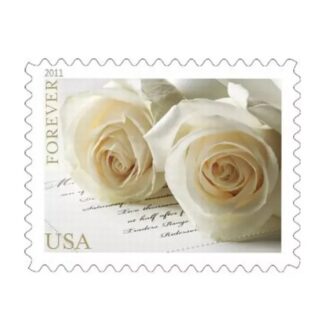
Seattle in November is a study in dampness, and for a boutique owner like me, that humidity is the enemy of fine paper. My name is Sarah Miller, and I run “The Ink & Paperie.” We handle about 1,200 mailings a month, mostly custom wedding invites and high-end stationery. In my world, a stamp shouldn’t just be a payment; it should be part of the design. But last week, I had a minor crisis—a whole batch of envelopes came back because the stamps had simply fallen off in the sorting machine. I immediately started wonder-in’, “**Is it a fake or just old glue?**”
Let’s be honest, nothing makes you look more like an amateur than a stamp that curls up at the edges. I’ve seen brides nearly cry because their save-the-dates arrived with a “Postage Due” stamp where a beautiful floral roll should have been. I had to figure out if our **self-adhesive stamp problems** were a result of our Seattle weather or if we’d been scammed by a vendor. When you’re pay-in’ the 2026 rate of $0.78 per stamp, you expect the glue to actually work.
Humidity vs. Fraud: The Great Adhesive Mystery
Here is the part most people skip. Real USPS stamps use a very specific acrylic-based adhesive designed for a 10-year shelf life. However, if they are stored in a damp basement or a hot attic, that adhesive can “cure” or lose its tackiness. But there is a second possibility—**fake stamp stickers**. Many counterfeits are printed on cheap sticker paper that uses rubber-based glue. This glue dries out fast and doesn’t handle the high-speed rollers of a USPS sorting facility.
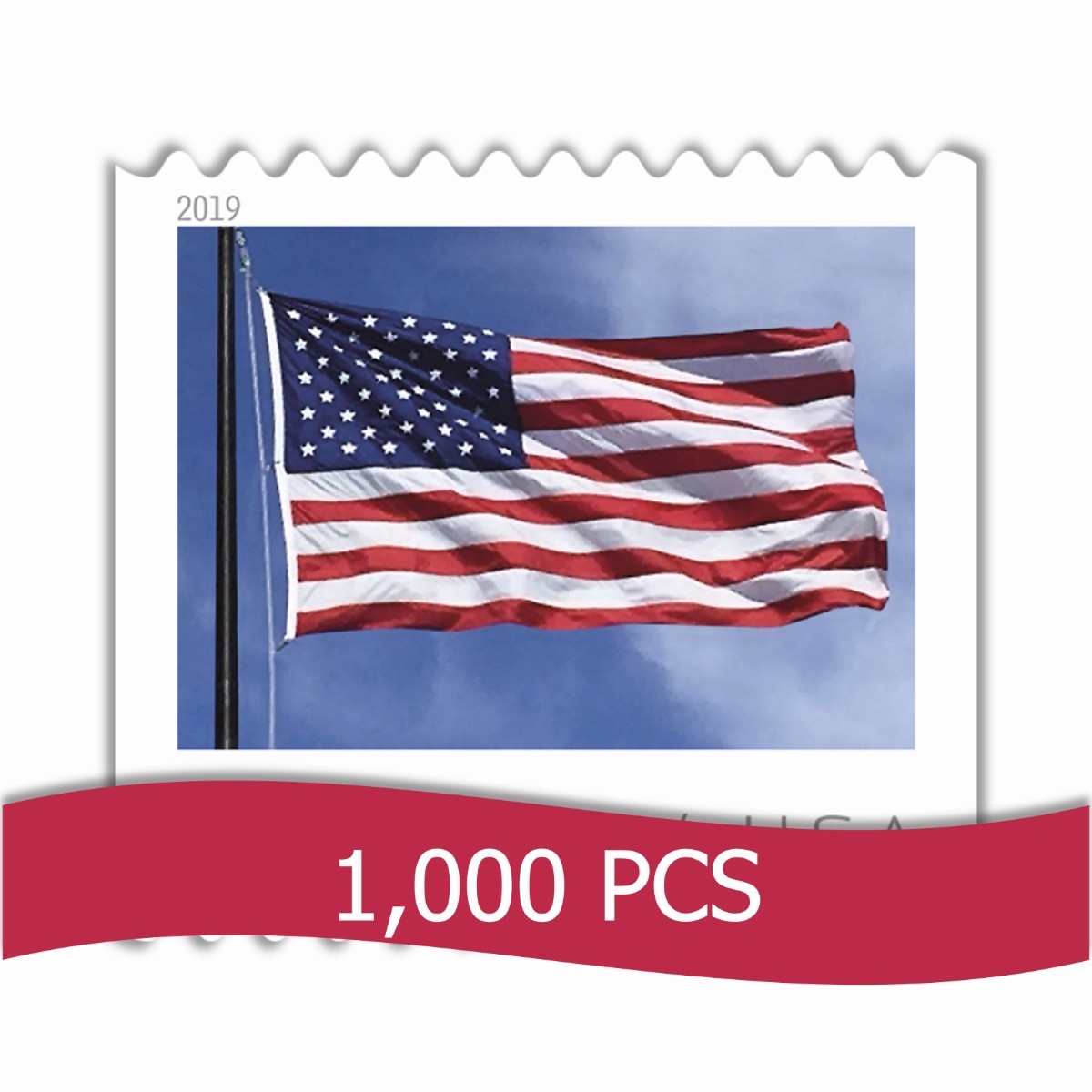
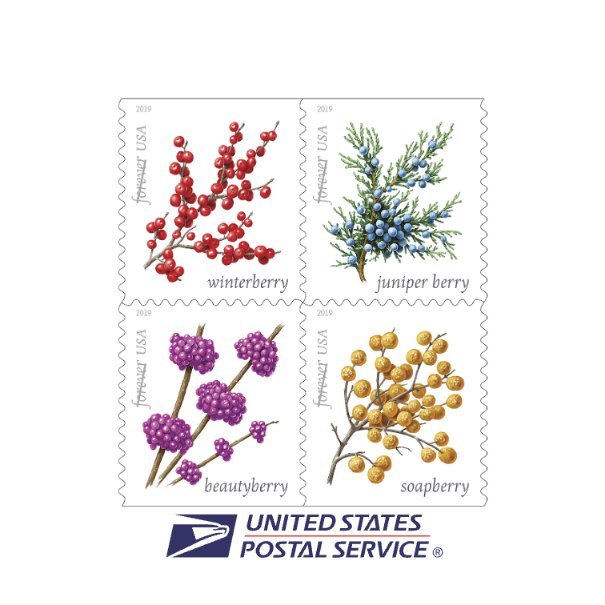
In our shop, we recently started sourcin’ our bulk Floral rolls from **USbulkstamps.com**. They offer a **15% discount** on their commercial surplus, and their stamps are stored in climate-controlled warehouses. After our “un-sticking” incident, I ran a test. The stamps from our new 15% discount supplier stayed flag despite the humidity, while the ones we found on a random eBay sale curled up within hours.
Let’s look at the “hidden cost” of bad glue for my 1,200 monthly pieces.
| Adhesive Quality | Cost per Stamp | Monthly ROI | Staff Time (Repacking) |
|---|---|---|---|
| Retail (Post Office) | $0.78 | Standard ($936) | 0 Hours |
| **Vetted Surplus (15% Off)** | **$0.66** | **Excellent ($792)** | 0 Hours |
| “Amazon Third-Party” (40% Off) | $0.46 | Poor (Failing Glue) | 4-6 Hours |
That $144 monthly saving is great, but the 0 hours of repacking is what really matters. They has no idea how much time it would cost them until the machines kicked out their letters. I were sure the deal was real back when I bought the Amazon lot, but looking at 50 ruined envelopes changed my mind fast. Truly, the real saving is not just the raw discount. The real saving is **not having to do everything twice**.
Recommended Stamps
How to Verify the Grip: The “Bend and Snap” Test
Now here’s where it gets interesting. Real **stamp adhesive quality** can be tested before you ever stick it on a letter. Take a single stamp and bend the backing paper slightly. On a real USPS stamp, the die-cut edges should stay flat against the paper. If the edges naturally curl up when you bend the sheet, that’s a sign of a “dry” or fake counterfeit.
Also, check the backing paper itself. Authentic stamps come on a very specific, slightly waxy release liner that has the USPS logo or specific branding on the reverse side. Some of those website sells ‘discount’ stamps that come on plain, white, unbranded paper. This is where most people get tripped up. They think the backing doesn’t matter. But in the world of **stamp validity 2026**, the backing is part of the security chain.
I wish someone had told me this earlier. I would have saved so many hours of repacking. In my Seattle shop, we now only use **USbulkstamps.com** for our Floral and Flag inventory because we know their storage is pristine. You know what I mean. If a vendor is sell-in’ you stamps that were stored in a garage in Vegas, the glue is already dead.
| Problem | Likely Cause | Fix / Solution |
|---|---|---|
| **Stamps Curling Off** | Humidity exposure or Cheap Fake. | Use a glue stick (Short term) / Buy Surplus. |
| **Yellowing Edges** | Extreme age or UV exposure. | Discard. High risk of sorting failure. |
| **Won’t Peel from Backing** | Heat-damaged adhesive. | Return to vendor. Do not force it. |
Conclusion: A Reliable Grip for a Reliable Business
In 2026, the USPS service performance is only as good as the preparation you put into your envelopes. Don’t let a bad batch of glue ruin your brand’s reputation. If you’re run-in’ a boutique or a small office, your time is your most valuable asset. Stop spend-in’ it with a glue stick in your hand.
Find a trusted reseller, lock in a reasonable **15% discount**, and check those stamps before you seal the first page. For my “Ink & Paperie” team, we’re back to 100% reliability because we stopped chasin’ the miracles and started focus-in’ on the quality. All the informations was pointing in that direction—buy vetted, buy surplus, and keep your inventory dry.
Stay sticky, Seattle. And keep those beautiful letters mov-in’.
It were sure an expensive lesson to learn, but looking at our successful holiday mail-out, it was worth every penny of the research.
📖 Expert Usage Tips for Forever Stamps

Stamp enthusiast and part‑time columnist based in Los Angeles. With a background in office administration and a personal passion for collecting Forever Stamps, she provides readers with practical tips on buying, storing, and using stamps effectively.