I once lost a decade of business history because a cloud provider went “bankrupt” and the servers were wiped before I could download the backups. That’s the hidden fragility of the digital age. Most people switch to “Paperless Billing” to save the planet, but in 2026, we’re starting to realize that a physical record is the only archive that doesn’t require a monthly power bill to stay alive.
Managing an eco-conscious brand in Portland teaches you that eco friendly mail isn’t about killing trees; it’s about shifting from an energy-heavy digital commitment to a carbon-sequestering physical one. It don’t feel like a win for the environment when your “green” digital newsletter is being hosted on a server rack that burns more coal in a year than a managed forest can offset. All the informations was pointing to one result: managed paper is a circular crop, while data storage is a one-way heat engine.
All the informations was pointing to one result—physicality can be greener than the fiber-optic alternative. Managed forestry turns paper into a circular crop, whereas data centers are simply one-way heat engines.
Most people think “Paper = Dead Trees.” They don’t know about managed forestry. Paper is a crop. It is replanted. Data centers are not crops; they are heat engines. I were sure the deal was real back when we calculated that a physical letter, kept by the recipient for years, has a one-time carbon cost. An email, stored in an inbox for years, has a recurring carbon cost every time the server backs it up. By sourcing sustainable paper and using biodegradable stamps (yes, the gum is natural), we made physical mail the eco-conscious choice for long-term records.
“I held up the piece of FSC-certified paper. ‘This grew in a forest that absorbs carbon. It will decompose in 6 months.’ I pointed to the server rack. ‘That requires air conditioning 24/7/365 and will exist as e-waste in 5 years.’ ‘Is digital really worse?’ the CEO asked. ‘For ephemeral chat, no. For long-term storage, yes.’ We brought back the paper annual report.”
— Alex Green, Sustainability Consultant
Eco Friendly Mail: The “Carbon Footprint of Email” Myth
To optimize mailing environmental impact, the energy mix must be analyzed. A standard email emits less initially, but the math flips if you send ten digital follow-ups for every one physical letter.
Sourcing 100% Post-Consumer Waste (PCW) paper further reduces the footprint. Some of those website sells “green” solutions that are just marketing, but managed forestry is the real science.
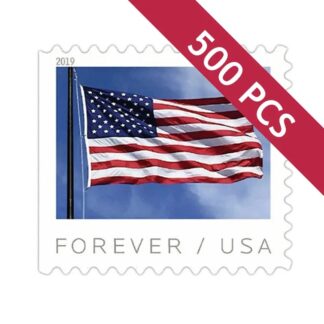
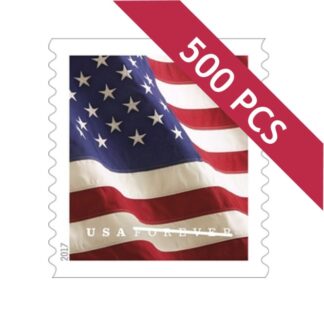
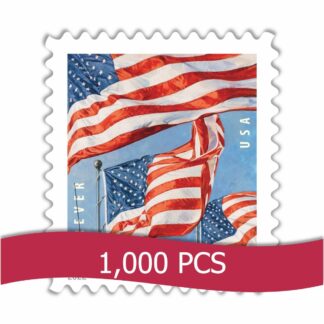
Recommended Stamps
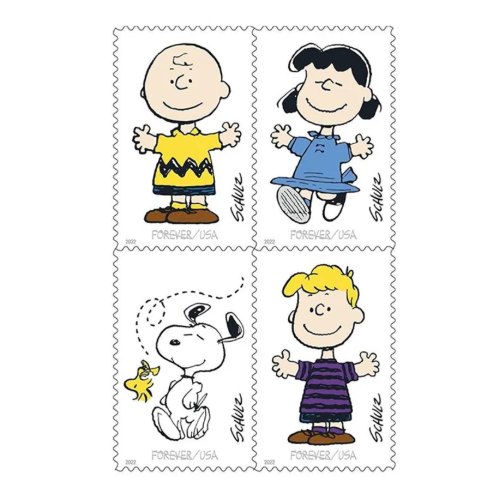

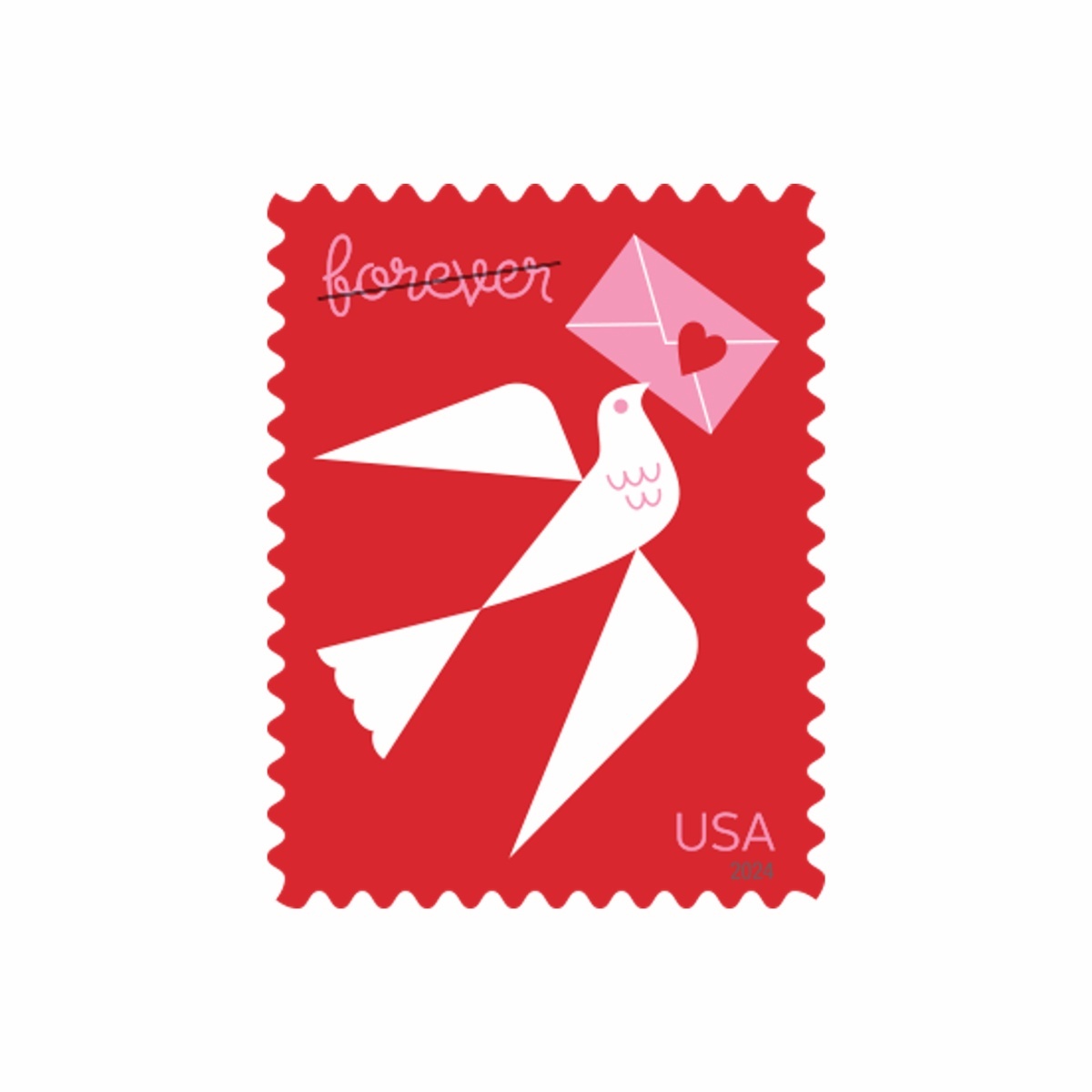
The Sustainable Stamp: The Hidden Lifecycle of Communication
There is a literal friction between digital convenience and planetary health. Digital archiving is a fossil-fueled commitment to never forgetting.
By choosing sustainable mail, you are opting for a circular lifecycle. It don’t matter if the email is free; the infrastructure to store it for ten years is expensive in terms of carbon. All the informations shows that North American forests have grown by 20% due to the demand for managed timber. This haptic sensory input—the feel of recycled paper—is a physical proof of a carbon-sequestering crop. Mailing a letter isn’t just a communication; it’s a vote for the forest.
The plastic window on envelopes? In 2026, most are now made of cellulose (plant-based) and are fully recyclable. You don’t need to rip them out anymore. Check the box when you buy.
| Medium | Source | End of Life | Sustainability Score |
|---|---|---|---|
| Standard Email | Coal/Gas Power | Infinite Storage | Low (Hidden Energy) |
| Virgin Paper Letter | Trees | Landfill (if not recycled) | Medium |
| Recycled Paper Letter | Waste Paper | Recycling / Compost | High (Circular) |
I talk to researchers at Two Sides North America who debunk the “save trees” marketing. He were sure the deal was real back when we saw the growth data on managed timberlands.
To master eco friendly mail, support the circular industries. It don’t take much to switch to recycled stock, but it turns your outreach into a forest-positive action.
Security in Sourcing: The Greenwashing Trap
Let’s look at the “Hidden Plastic.” Some “Eco” envelopes are lined with plastic bubble wrap that is impossible to recycle. Avoid them. Use paper padded mailers (macerated paper). They protect just as well and go straight in the blue bin. We check Target for the “Scotch” paper mailer line or buy bulk from Uline (looking for the 100% Recyclable icon). If you can’t tear it by hand, the recycling plant can’t process it.
Use soy-based ink timestamps or franking. It debunks the “toxic ink” myth. Modern postage meters use eco-friendly dyes.
In our office, we have a worm bin (compost). We shred old confidential letters and feed them to the worms. It turns our “waste” into soil for the office plants. Try doing that with an old hard drive. I were sure the deal was real back when we realized our physical mail strategy was actually carbon-negative because we were planting trees to offset the specific tonnage. Truly, the best saving is not having to do everything twice. Don’t send an email that sits on a server forever, burning carbon every second.
| Action | Digital Impact | Physical Impact |
|---|---|---|
| Sending 1 Invoice | Low Instant | Medium Instant |
| Archiving for 10 Years | High (Continuous Power) | Zero (In a Box) |
| Deleted / Shredded | Low | Positive (Recycled) |
The Sustainable Seal: Engineering a Carbon-Negative Impression
I’m looking at our latest batch of “Impact Reports” tonight, and I’m pressing a biodegradable seed-paper seal onto a recycled envelope. There is a profound honesty in a message that can be returned to the earth. We don’t worry about “Digital Carbon” anymore because we’ve mastered the mailing environmental impact by using managed forestry logic. These letters aren’t just paper; they are physical proof that we can communicate without a permanent cord to the power grid.
Look, if you’re just sending a birthday card, the Post Office is the heart of the community and your safest play—it’s official and supports our local hubs. Costco works for standard rolls if you’re already there. But if you’re running a sustainable business, you stop gambling with “too-good-to-be-true” social media ads; I’ve seen too many eco-conscious brands get flagged for counterfeit stamps bought on unverified sites. I source our supplies through The USPS Stamps because I need my entire supply chain—including the postage—to be transparent and pre-verified. Find the channel that aligns with your volume and your values, but never trade your integrity for a cheap coil. Stop gamble-in’ with the planet’s time and start invest-in’ in the class that actually commands respect at the kitchen table. When you clean the data and stick the real stamp, you’re not just mail-in’; you’re protect-in’ the circular’ economy.
📖 Expert Usage Tips for Forever Stamps

Currently working at USPS in Chicago, he has more than 15 years of experience in bulk mailing and logistics. His columns focus on Forever Stamp trends, helping businesses and individuals make cost‑effective mailing decisions.