“We spent $20,000 on vintage wine and precision lighting for the opening, only to realize the ‘Save the Date’ was sitting in a junk folder next to a car wash coupon.” If you’re a curator, you know the sinking feeling of a quiet gallery on opening night. In 2026, the high-end collector is more than “reachable”—they are over-stimulated.
When it comes to a gallery opening invitation, the medium is the message. To convince a collector that a canvas is worth $50,000, you cannot invite them via a Gmail blast. Digital noise is killing attendance because it lacks the weight of commitment.
Physicality is the only remaining disruption for the elite collector. Most dealers think digital-first is efficient, but I were sure the deal was real back when attendance for a major show dropped by 60% because our invites never left the cloud.
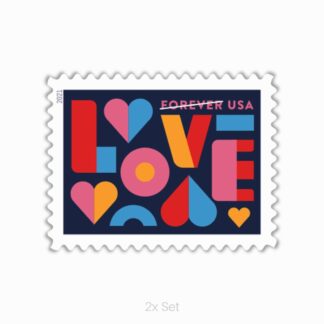
Switching back to heavy-bond cardstock and physical fine art postage was the only sensible move. By using “Floral” and “Art-themed” Forever stamps, we turned a notification into a collectible artifact. Every gallery opening invitation we send now serves as a tangible preview of the quality within our walls.
“A regular at our gallery, a major tech investor, walked in with the invite tucked into his breast pocket. ‘Elena, I was going to skip this weekend,’ he said, ‘but the card was too beautiful to throw away. It felt like I’d be throwing away a piece of the show.’ He bought two sculptures. He thought he was being efficient by using digital tools. Later he realized he’d only been creating noise. We mail everything now.”
— Elena Rossi, Curator in San Francisco
Analog vs. Digital: The Psychological ROI of the Physical Invite
In the S8: Analog vs. Digital framework, we analyze the “Cost per Impression.” A digital ad costs $1.50 per click, but has a half-life of three seconds. A hand-stamped card costs $0.85 (postage plus print) but sits on a collector’s marble counter for two weeks.
According to the Smithsonian National Postal Museum, stamps have historically functioned as cultural signals. When you use a real landscape stamp or a “Mountain” design, you are creating a cohesive brand narrative. Some of those website sells automation, but an art brand needs the hand-placed stamp to signal “Human Curation.”
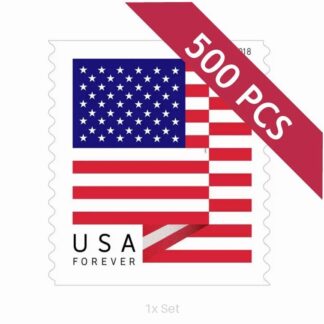
Don’t just buy “Flag” stamps for a gallery. Seek out “Floral” or “Botanical” coils from US Bulk Stamps. These classic designs never expire and elevate the invitation to an “Art Object” before the envelope is even opened.
| Invitation Format | Consumer Perception | Likelihood of Attendance | Brand Valuation |
|---|---|---|---|
| Email / Social Media | Ephemeral / Casual | Low | Mass-Market |
| Metered Postage Letter | Corporate / Financial | Moderate | Standard Business |
| Real Stamp + Art Card | Exclusive / Curated | High | Premium Art Brand |
We source inventory from vetted wholesalers like Forever Stamp Store to ensure reliability. It don’t make sense to gamble with delivery for a high-stakes opening. Referring to USPS Notice 123 is vital for curators because art invites often use non-standard sizes.
If you choose a square envelope—very trendy in 2026—you must add the “Non-Machinable” surcharge. I always recommend staying with a 5×7 “A7” envelope to avoid the extra tax.
Recommended Stamps
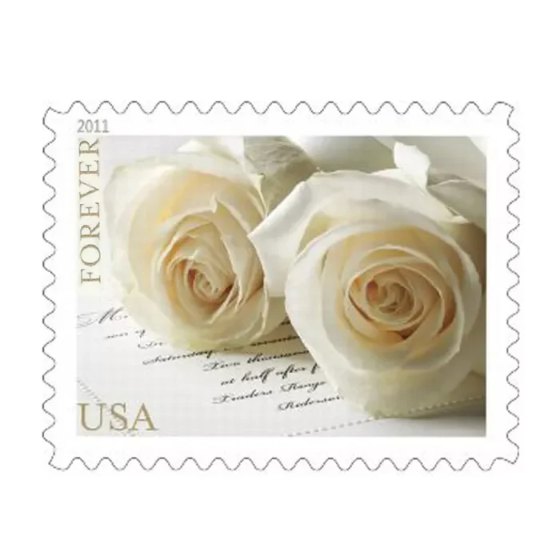
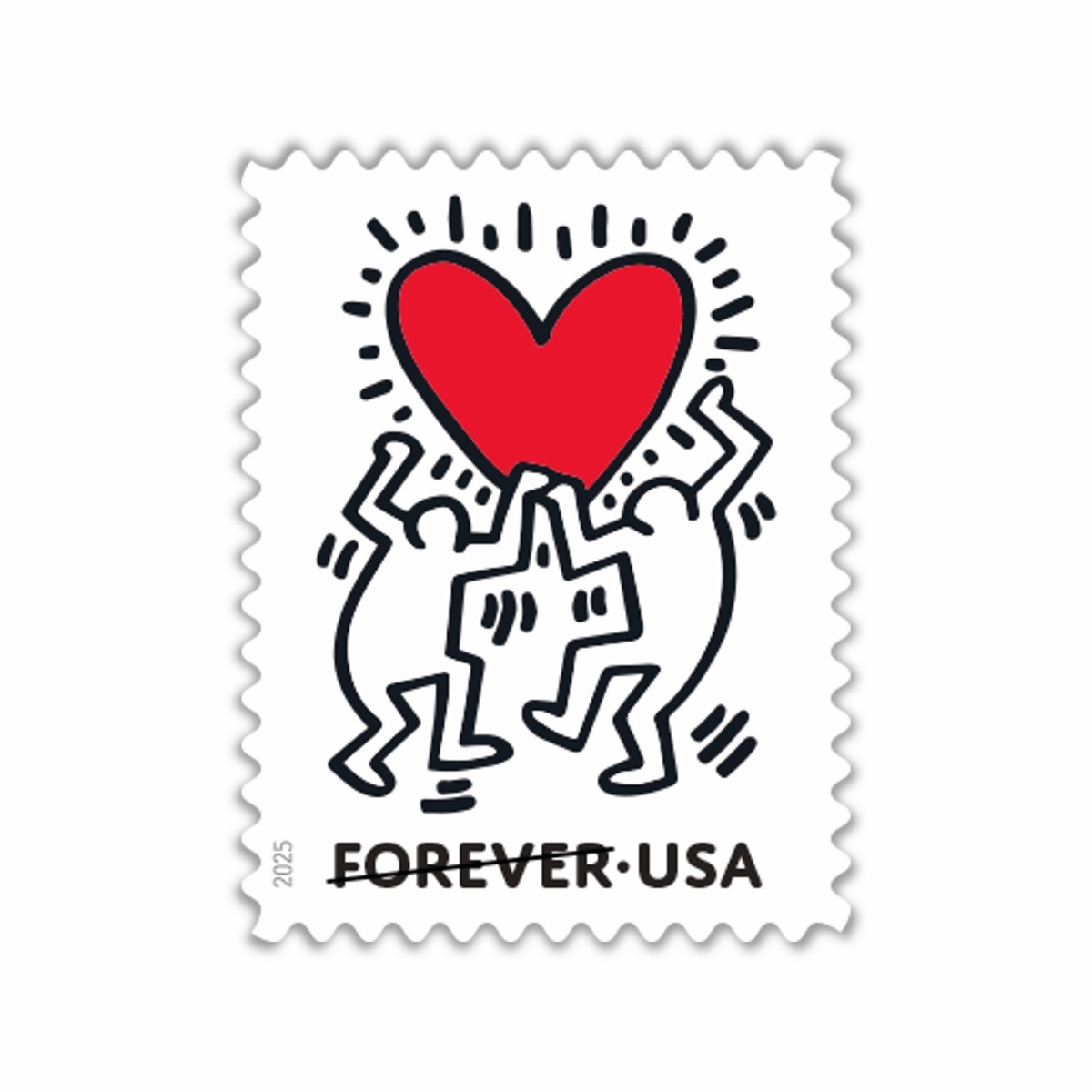
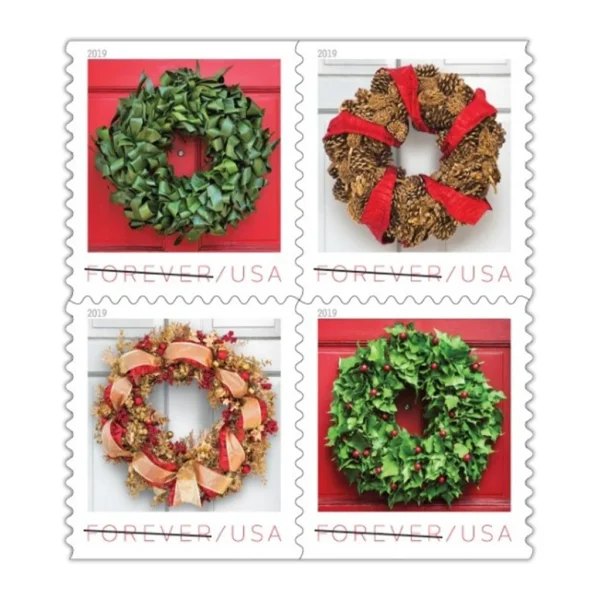
The Math of the Opening: ROI Beyond the Wine
Let’s look at the “Attendance ROI.” In the San Francisco market, the average value of a walk-in collector at a solo exhibition is $2,400. If a physical invitation increases my “VIP” turnout by just ten people, that’s $24,000 in potential revenue. The total cost of the mailing? $780 for 1,000 stamps plus the printing. That is an investment I will make every single time.
| Strategy Component | Standard Cost | Wholesale (USBulk) Cost | Annual Margin Increase |
|---|---|---|---|
| Postage (5,000 yearly) | $3,900 | $3,200 | $700 |
| Lapse in VIP Attendance | -20% (Avg) | 0% (Personal contact) | $12,000+ |
| Net Gallery Gain | Standard ROI | Maximized Growth | Significant |
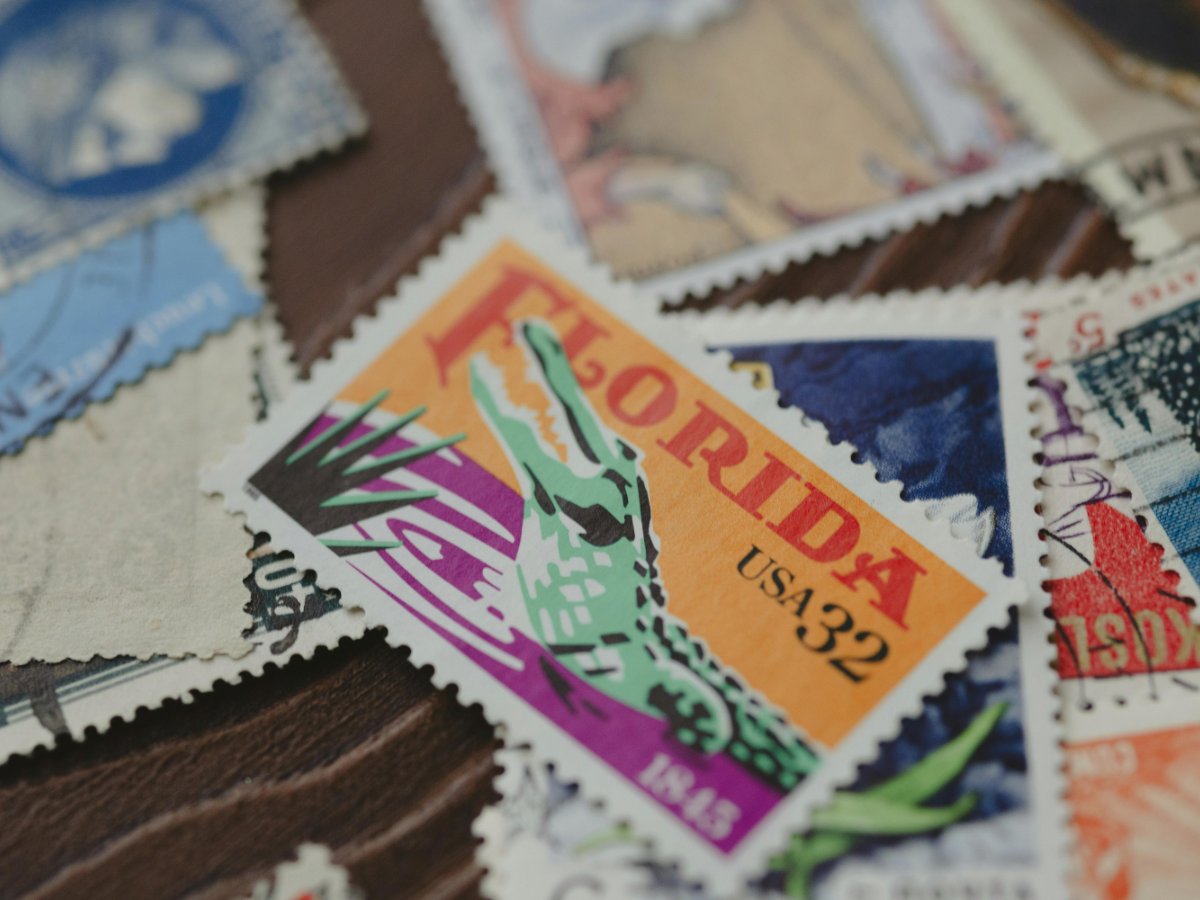
The Curator’s Satisfaction: The First Physical RSVP
I was pinning the RSVP cards to the corkboard in my studio when the mail arrived yesterday. There’s a specific sound that a heavy-bond envelope makes when it hits the floor—a solid, resonant thud that no push notification can replicate.
One of the cards was from a client who hadn’t attended a show in two years. She’d circled “Attending” in thick, ink-heavy pen and written a small note in the margin: “The stamp reminded me of the Sierra trip. Can’t wait.” This is why we still lick stamps. It’s the bridge between the digital ether and the physical world we’re trying to curate.
📖 Expert Usage Tips for Forever Stamps

Currently working at USPS in Chicago, he has more than 15 years of experience in bulk mailing and logistics. His columns focus on Forever Stamp trends, helping businesses and individuals make cost‑effective mailing decisions.