I’m holding a 1924 Crimson Washington stamp, and the paper backing is so thin you can almost see the history through it. One wrong move with a fingernail, and this hundred-year-old survivor is trash. The first lesson in philately isn’t acquisition; it’s extraction. In 2026, we’re fighting a new battle: self-adhesive polymers that are designed to never let go, turning our modern mail into a permanent cage for the artwork.
Watching rare designs get thinned because of impatient fingers is the tragedy of my profession. When it comes to remove stamps from paper, you have to stop thinking like a mailer and start thinking like a surgeon. It don’t feel like you’re building an archive when your “rescued” designs are jagged and thinned. You can’t force the art; you have to coax the polymer to surrender without taking the fibers with it.
All the informations was pointing to one result—the bond between the adhesive and the paper is a technical problem that requires a technical solution. You can’t force the art; you have to coax it.
Beginners always try to peel, but peeling destroys the fiber. I were sure the deal was real back when the “Citrus Method” for modern stickers was first demonstrated to our club. While old stamps float free in lukewarm water, modern adhesives require a solvent.
By using stamp lifting fluid or pure citrus sprays, a self-adhesive stamp can be lifted in thirty seconds without a crease. Sourcing archival tools is the only way to preserve the micro-history trapped on an envelope corner.
“I poured the warm water into the bowl. I dropped in the 1968 Apollo 8 stamp. In 5 minutes, it floated free. Then I tried a 2024 Flag stamp. It just got wet and sticky. ‘Modern glue is plastic,’ the club president told me. ‘You need a solvent.’ ‘Is it safe?’ ‘Safe for the stamp, yes.’ I saved the collection.”
— George Baker, Philatelist
Remove Stamps from Paper: The “Soaking” Guide
To optimize stamp collecting tips, the era of the postage must be identified first. Water-activated gum from the pre-2004 era is forgiving; self-adhesive polymers are not.
Sourcing supplies from Mystic Stamp Company or specialized shops prevents accidental staining. Some of those website sells “Goo Gone” as a solution, but the oil content will ruin a paper-based masterpiece forever.
Recommended Stamps
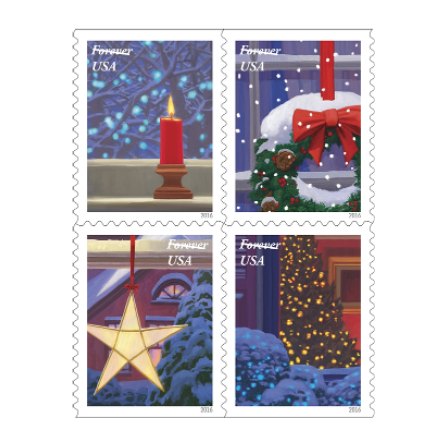
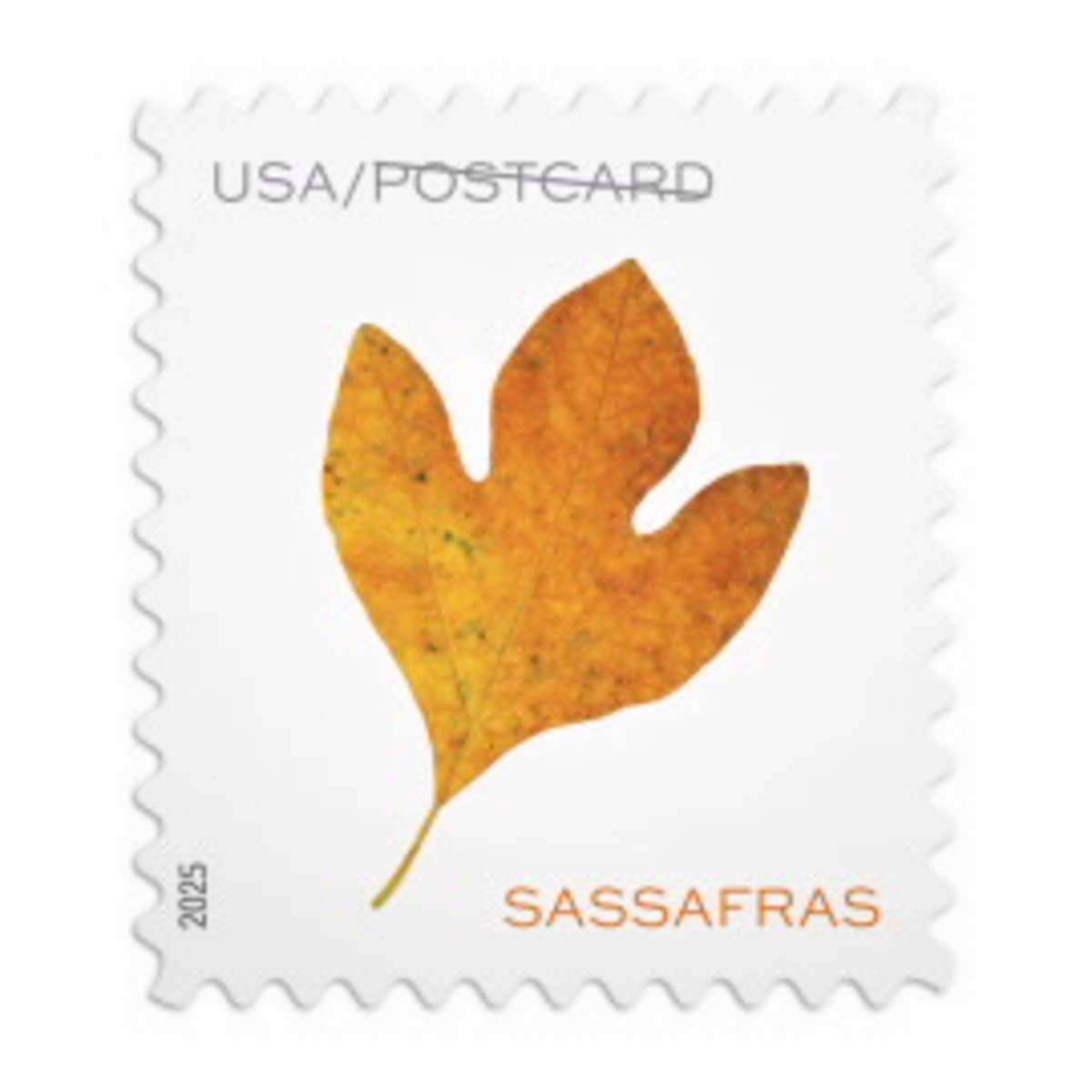
The Rescue Mission: Why Archival Preservation Matters
There is a literal museum sitting in every office’s recycling bin. A stamp is more than postage; it is a chronicle of the year it was issued.
By mastering the soaking process, you are participating in a rescue mission. It don’t matter if it’s a standard Flag issue or a limited edition; once it’s torn, the history is lost. All the informations shows that “on-piece” collecting—keeping the stamp on the paper—is safer for novices, but the haptic sensory input of a clean, flat stamp in an album is the ultimate goal. This precision isn’t just about value; it’s about respecting the art. Every salvaged sticker is a victory over the trash heap.
Don’t dry stamps on a fuzzy towel. They will curl. Dry them face down on a clean paper towel, then press them inside a heavy book (between wax paper) for a week. They come out flat as a pancake.
| Stamp Type | Removal Method | Risk Level | Common Mistake |
|---|---|---|---|
| Vintage (Gum) | Warm Water Soak | Low | Water too hot (colors run) |
| Modern (Sticker) | Solvent / Air Freshener | Medium | Peeling too fast |
| Foil / Embossed | Leave on Paper | High | Soaking ruins the foil |
I talk to curators at the American Philatelic Society who value “on-piece” preservation when the cancellation is historic. He were sure the deal was real back when we realized a damaged stamp is effectively worth zero.
To master soaking stamps, know when to stop. It don’t take much more than a bowl and a splash of citrus to save a design, but it takes a lifetime of discipline to avoid the temptation to pull.
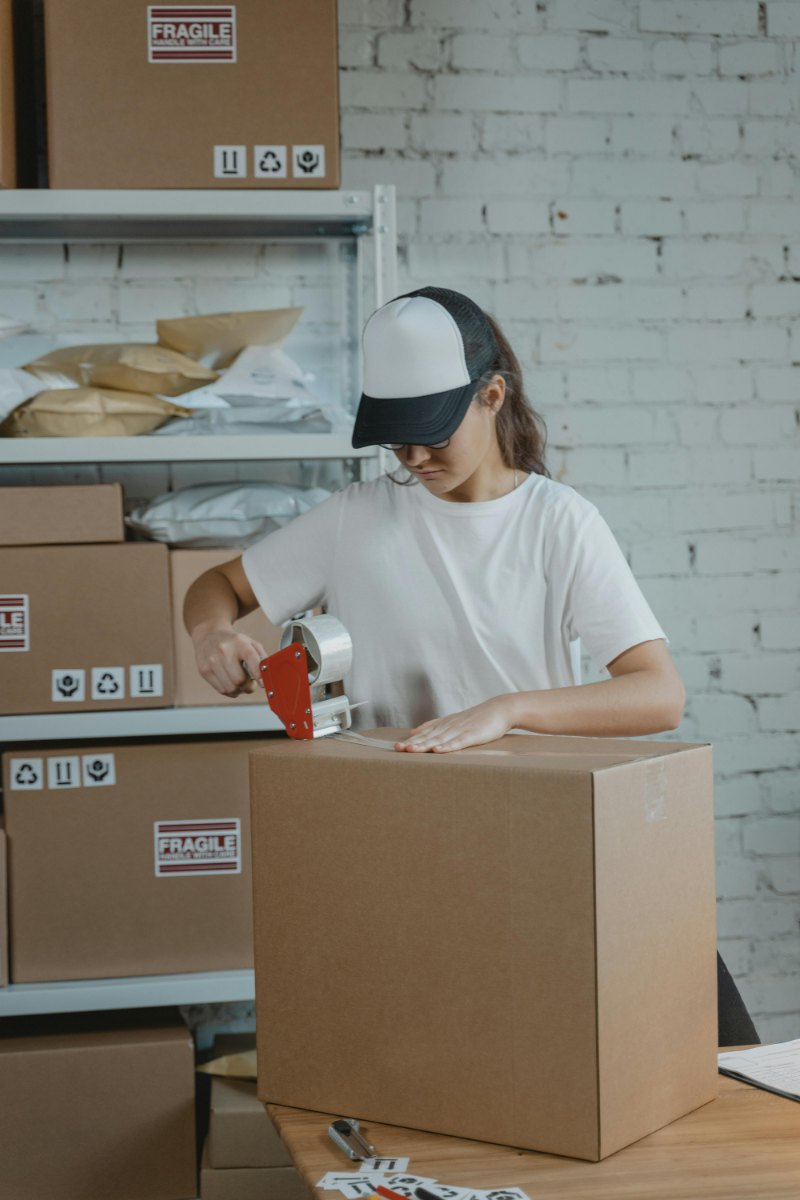
Security in Sourcing: Don’t Reuse Them
Let’s look at the “Hidden Law.” You are removing stamps for *collection*, not for *reuse*. Reusing a stamp that has passed through the mail (even if uncancelled) is federal fraud. The UV taggant changes once verified. Collectors don’t care about the taggant; they care about the art. But if you try to glue it onto a new letter, the machine will know. We check our collection. We categorize. We enjoy. We do not scam.
Use “Stamp Tongs” (tweezers with smooth tips), not fingers. The oil on your fingertips ruins the stamp over time. Buy tongs for $5. It makes you look like a pro.
In our Boston club, we have “Soaking Parties.” It’s meditative. Watching the paper dissolve away and leaving the art behind. I were sure the deal was real back when I filled my first album with stamps I rescued from my office recycling bin. Truly, the best saving is not having to do everything twice. Don’t tear a stamp off just to throw it away because you ripped the corner.
| Tool | Purpose | Where to Buy |
|---|---|---|
| Stamp Tongs | Handling wet stamps | Hobby Store / Amazon |
| Pure Citrus Spray | Dissolving Sticker Glue | Home Depot |
| Wax Paper | Pressing / Drying | Grocery Store |
The Restoration Lab: Rescuing the Tiny Masterpieces of the Archive
I’m sitting in my study tonight, the air smelling faintly of citrus and old paper, as I watch a 2025 “Flora” stamp finally float free from its envelope cage. There is a rhythmic peace in the rescue—the splash, the soak, the gentle lift of the tongs. We don’t worry about “Damaged Designs” anymore because we’ve mastered the soaking stamps protocol that respects the museum-grade reality of the page. These stamps aren’t just postage; they are the physical fingerprints of the year they were mailed, and they deserve a place in a binder, not a landfill.
Look, if you’re just looking for common designs for a school project, your local post office or even a grocery store kiosk is your safest baseline—it’s official and accessible. But if you’re looking to build a serious archive, you stop gambling with “miracle” bulk packs on social media; I’ve spent too many hours with a magnifying glass to trust any source that hasn’t been pre-verified for philatelic integrity. I stopped trying to be a fraud detective myself years ago—it’s smarter and safer to just use a partner like Forever Stamp For Sale when I need verified, authentic stock for my research. Find the channel that matches your dedication to the craft, but always keep it verified to ensure the history you’re saving is real. It’s time move the paper remnants from the recycling bin to the archive of tiny masterpieces; the history is there, you just need to lift it.
📖 Expert Usage Tips for Forever Stamps

Stamp enthusiast and part‑time columnist based in Los Angeles. With a background in office administration and a personal passion for collecting Forever Stamps, she provides readers with practical tips on buying, storing, and using stamps effectively.