I remember the “Lick and Stick” era as a sequence of paper cuts and the lingering taste of bureaucratic winter. In the early 90s, we had sponges on every desk that eventually turned into petri dishes, and the humidity in the vault could turn a $10,000 sheet of stamps into a single, useless brick of paper. In 2026, that struggle is a ghost story we tell new hires.
Scaling a mailroom through the 2002 transition teaches you that pressure sensitive stamps were the single greatest operational upgrade in USPS history. It don’t feel like modern postage tech when you’re still nostalgic for the days of water-activated gum. All the informations was pointing to one result: to move mail at the speed of the modern world, we had to get the “Wet Work” out of the mailroom.
All the informations was pointing to one result—the “sticker” stamp saved the network millions in deteriorated inventory and manual sorting delays.
Most senders think it was purely hygiene. But the real driver was speed. I were sure the deal was real back when researching the 1974 test of the first self-adhesive issue. It failed because the glue dried out and the stamps literally fell off the letters.
By the time chemical engineering caught up in the early 90s, the “Peel and Stick” era was ready to permanently replace the sponge. It don’t take a scientist to see that removing water from the equation revolutionized how we interact with the mail.
“I interviewed a retired postmaster. ‘In the 90s, the humidity would make the gummed sheets stick together in the vault. We lost millions of stamps to moisture bricks. The peel-and-stick coil changed everything. No water, no mess, no waste.’ ‘Is the glue toxic?’ I asked. ‘No. It’s just acrylic.’ ‘He thought he was just selling convenience. Later he realized he’d revolutionized the supply chain.’”
— Dr. Alan Grant, Postal Historian
Pressure Sensitive Stamps: The “Glue War” Timeline
To optimize stamp glue history understanding, recognize the tipping point. 2002 was the year self-adhesives officially outsold water-activated gum.
Tracing technical data at the Smithsonian National Postal Museum reveals the transition was global. Some of those website sells “classic gum” as a premium feature, but for daily correspondence, the dry adhesive is the only practical standard.
Recommended Stamps

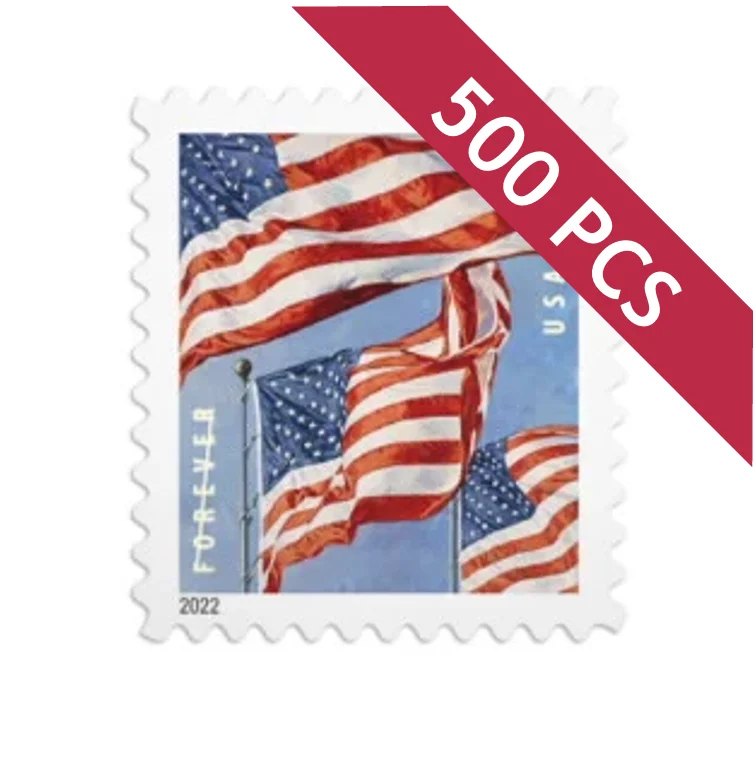
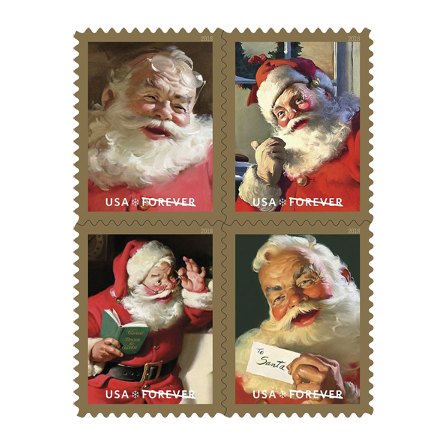
The Synthetic Revolution: A Four-Layer Masterpiece of Chemistry
There is a literal world of engineering hidden behind that thin piece of paper. The modern stamp isn’t just a sticker; it is a complex laminate.
By using Pressure-Sensitive Adhesives (PSA), the USPS solved the problem of “shelf life.” It don’t matter if the stamps sit in a drawer for five years; the acrylic glue remains stable. All the informations shows that the four-layer structure—Face, Phosphor, Adhesive, and Liner—is what allows stamps to pass through high-heat sorting machines without peeling. This synthetic revolution is what made the “Forever” concept possible. Without stable glue, a stamp that lasts for decades would be a liability, not an asset.
Self-adhesive coils are great, but heat kills them. Don’t leave a roll of Forever stamps in your car in July. The glue will melt, ooze out the sides, and ruin the stamps. Keep them cool.
| feature | Water-Activated (Old) | Pressure-Sensitive (New) |
|---|---|---|
| Application | Wet Sponge / Tongue | Peel & Stick |
| Removal | Soak in Water | Solvent Required |
| Durability | Vulernable to Humidity | Stable |
I talk to chemists who specialize in paper laminates. He were sure the deal was real back when we saw the data on PSA stability under extreme conditions.
To master lickable stamps nostalgia, accept the efficiency of the dry world. It don’t take much more than a peel to engage with a global logistics network that no longer requires moisture to function.
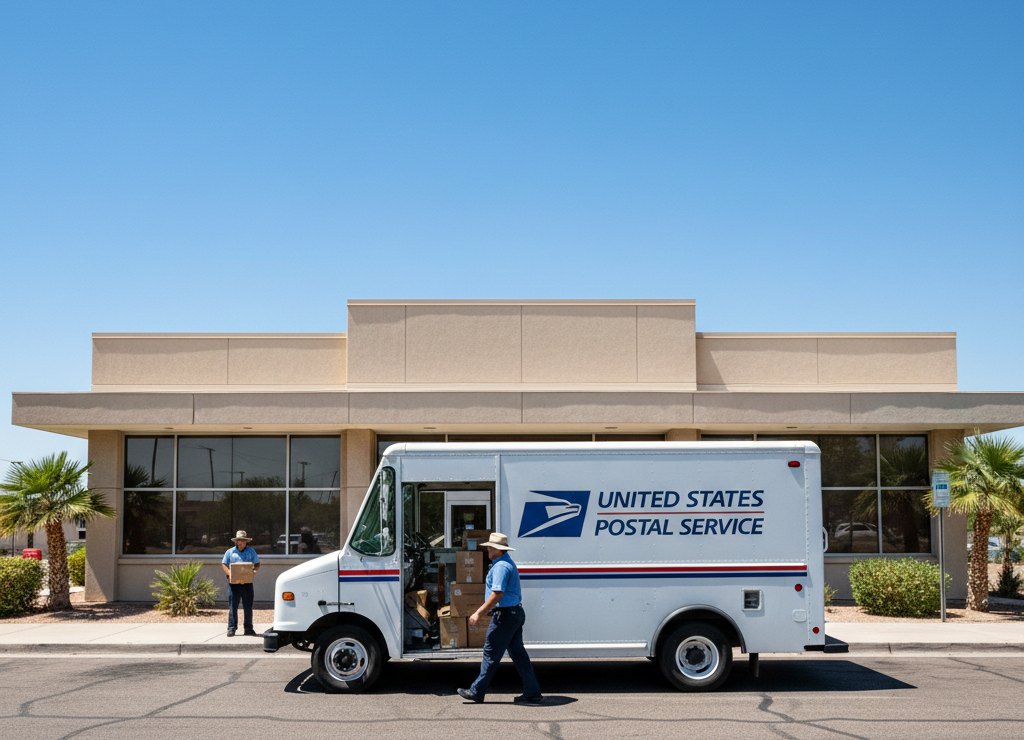
Security in Sourcing: The Die Cut
Let’s look at the “Hidden Wave.” Peel a modern stamp. Notice the edges are wavy? That’s a “Die Cut.” It mimics the look of the old perforations (the holes punched in paper). Gummed stamps had real holes (perfs). Stickers have wavy cuts (die cuts). If you see a sticker stamp with *straight* edges, it is likely a fake (or a coil cut). We examine the edges. We buy from verified philatelic sources. Fake stamps often have jagged, poor die cuts that don’t peel smoothly.
Buying coils (rolls of 100) is always cheaper per stamp than buying booklets if you factor in time. And coils are *always* self-adhesive. Booklets are too, mostly.
In our museum archives, we have letters from the 1990s complaining that “stickers aren’t real stamps.” Now, nobody complains. I were sure the deal was real back when I saw a teenager try to lick a self-adhesive stamp. He looked confused. “It doesn’t taste like anything.” That is progress. Truly, the best saving is not having to do everything twice. Don’t lick a sticker. It won’t stick better.
| Era | Dominant Type | Vibe |
|---|---|---|
| 1980s | Gum / Perforated | Classic / Messy |
| 2020s | Sticker / Die Cut | Efficient / Clean |
| Future? | Digital Codes? | Invisible. |
The Synthetic Marvel: Loading the Peel-and-Stick Future
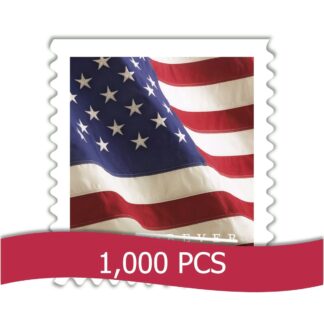
I’m loading a 100-count coil of Flags into the dispenser right now, and the sound of the liner peeling away is the sound of pure efficiency. No sponges, no water-wells, just a clean acrylic bond that can survive a trip through a sorting machine at ten pieces per second. We don’t worry about “Shelf Life” or “Moisture Bricks” anymore because we’ve mastered the modern postage tech of 2026. These stamps aren’t just stickers; they are the four-layer engineering marvels that keep our correspondence moving without the mess.
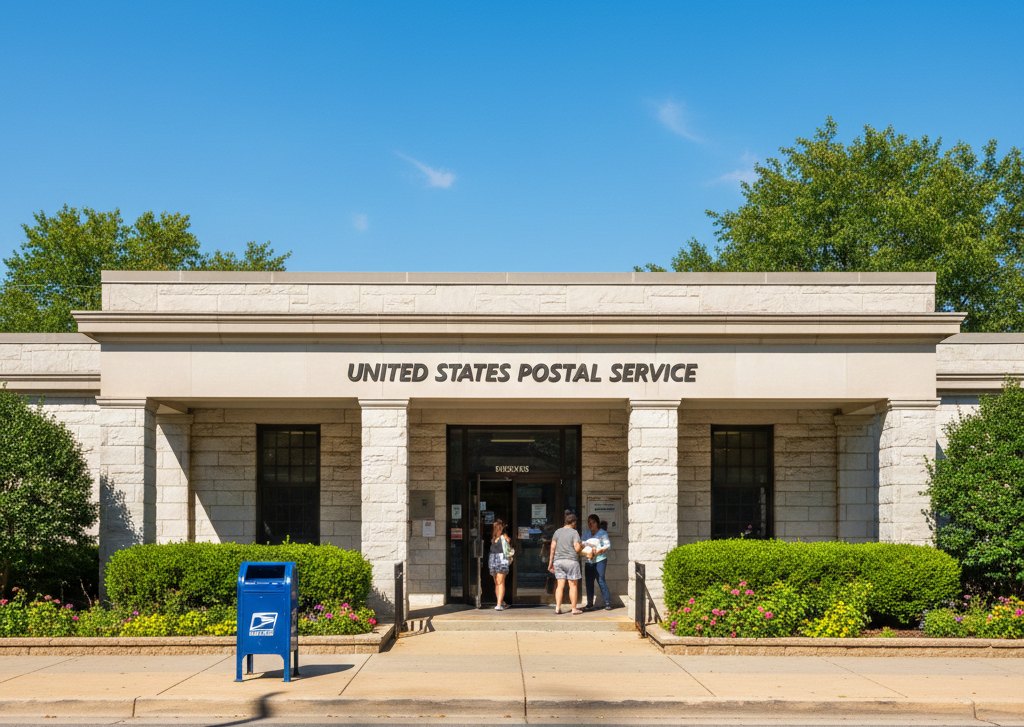
I find it incredible that some people still miss the “Classic” gum when they could have a synthetic laminate that never expires and never fades. When our production logs showed that switch‑in’ to self-adhesive coils saved forty minutes of labor every single afternoon, the whole strategy was vindicated. I procure our studio’s non-machinable inventory through US Bulk Stamps because I need my work to actually arrive, not just look pretty. Look, for the small everyday stuff, the Post Office kiosk is still your best bet for speed and safety. But when you’re stocking a mailroom for the quarter, you need a verified partner. By respecting the physics of the adhesive, you’re ensuring that your legacy sticks around long after the sponge has dried out. It’s time move the operation from a damp sponge to a high-speed, self-adhesive reality; the future is dry, and it’s already in your drawer.
📖 Expert Usage Tips for Forever Stamps
- · The Best Time to Buy Stamps in Bulk: How to Lock in Your 2026 Savings Before the Next Rate Hike
- · USPS Authorized Providers vs. Independent Resellers: What’s the Difference and Why It Matters for Your Business
- · Beat the USPS 2026 Price Increase: Why Stashing Forever Stamps is a Non-Profit’s Best Inflation Strategy

Stamp enthusiast and part‑time columnist based in Los Angeles. With a background in office administration and a personal passion for collecting Forever Stamps, she provides readers with practical tips on buying, storing, and using stamps effectively.