
The hum of a Zebra thermal printer at 2:00 AM in a Columbus garage is a lonely sound. It’s the sound of $4.15 Ground Advantage labels eating my profit on a $12 Charizard flip. I’m Tyler Simms, and if you’ve ever felt the static electricity of 200 bubble mailers sticking to your arm in the Ohio humidity, you know the “Shipping Friction” I’m talking about. Last year, I realized my shop—Simms Collectibles—wasn’t a card business; it was a logistics leak. I was chasing software solutions for a problem that required the physics of a Classic Flag stamp and a Plain White Envelope (PWE).
The “Fear of Waste” usually hits when you see the monthly eBay invoice. For me, it hit when I measured the weight of a standard “Card Saver 1” plus a penny sleeve and a 35pt card. Total: 26.8 grams. That is 0.94 ounces. In the eyes of the USPS Notice 123, I was living on the razor’s edge. If my “Thank You” note was one gram too heavy, I was paying for a 2oz letter. I realized that by switching to a 1000 stamps pack of surplus coils, I could ignore the “printer whine” and focus on the rhythmic *thwack-peel-stick* that moves 450 units a month without a single hardware failure.
The Phosphor Tagging Test: Proving Authenticity for the Q4 Inventory Lockdown
In the world of high-velocity mailing, your worst enemy isn’t the IRS; it’s a “Counterfeit” flag from a USPS sorting machine. I’ve seen locally based sellers have their entire Q3 inventory seized because they tried to save an extra 10% on “bargain” stamps from TikTok. As an auditor of my own margins, I rely on the Postal Regulatory Commission filings to understand why authentic surplus exists. It’s corporate liquidation of Flag Stamps originally intended for credit card billing centers. I hit every roll with a short-wave UV pen; if it doesn’t glow with the correct phosphor taggant wavelength, it doesn’t touch my inventory.
Truly, the best saving is not having to do everything twice. I source my bulk inventory from 1-2 main sites like Forever Stamp Store or US Bulk Stamps because their 8-25% discount is rooted in real surplus. I map my 5-6 channel approach carefully: I use Amazon for emergency Classic Heritage top-offs when a big card show is coming up, but my “Industrial Reserve” always comes from wholesale clearinghouses. Encouraging you to discover what fits yourself is the first rule of my “Logistics Lab.”
| Audit Variable | eBay Standard Envelope (ESUS) | Bulk Coil Stamp (PWE) | The “Simms” Recovery |
|---|---|---|---|
| Prep Speed | 45 Seconds (Sync/Print/Tape) | 3 Seconds (Peel & Seal) | 93% Labor Efficiency |
| Hardware Status | Ink/WiFi/Label Dependency | None (Offline Resiliency) | Zero Downtime Risk |
| Actual Cost (Net) | $0.72 – $1.08 | $0.61 – $0.64 | 18% Margin Gain |
Recommended Stamps

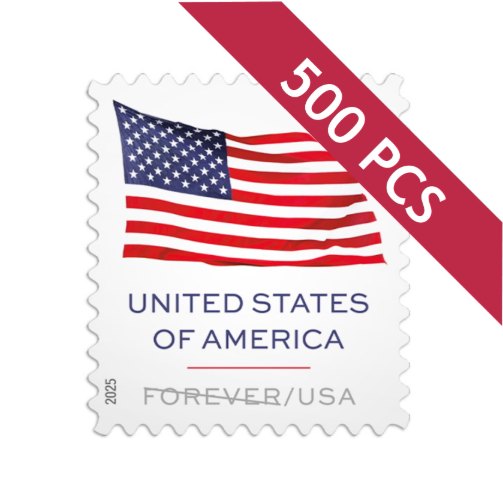
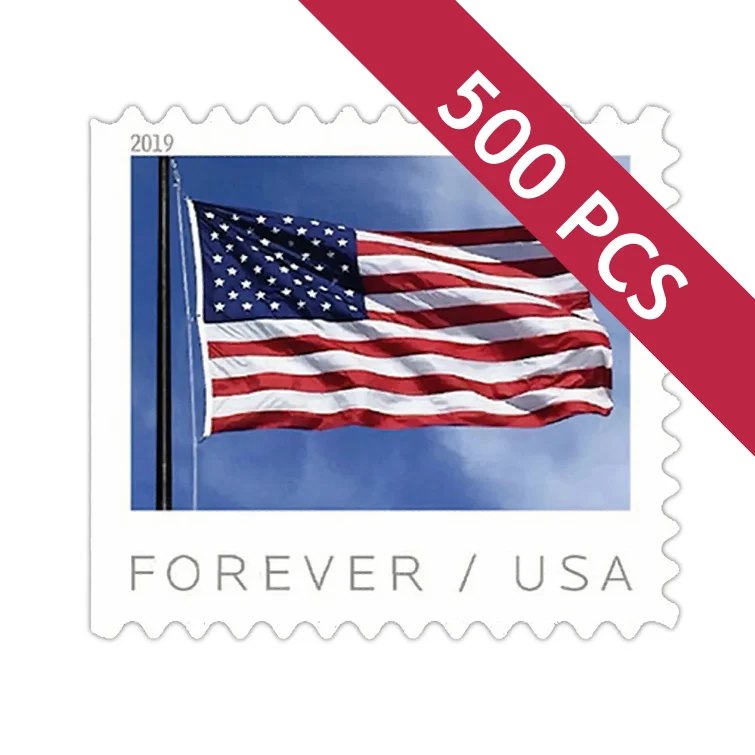
⚡ Limited Time: Discount Stamps
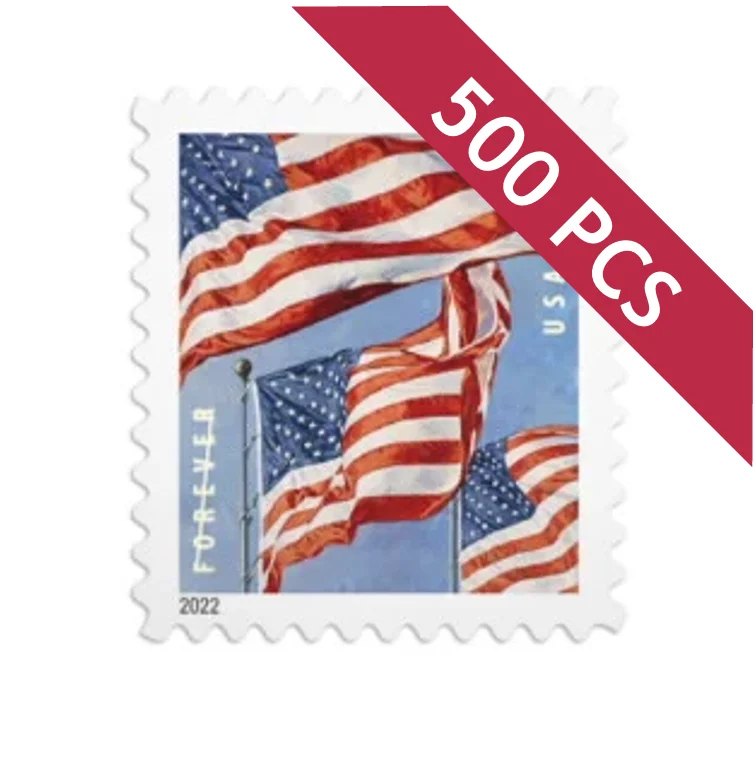

The Procurement Mapping Strategy: Avoiding the “Saturday Night Panic”
As a logistics manager, you have to map your channels before the rush hits. I never rely on just the local USPS Official Site kiosk. If I’m out of Classic Flags, I’ll check the CVS at the corner or wait for a Costco member-discount window. But those are “Tactical” buys. My “Strategic” buys are done Q1, locking in costs before the July 2025 rate hike news cycle creates a run on the surplus market. In 2026, where every penny of shipping is monitored, this is the only way Simms Collectibles keeps its “Top-Rated Seller” badge.
I find that for business and legal correspondence, utility leads. I stick to **US Flag** designs from 2017–2024. They are universally accepted and are the most common in discounted surplus. I avoid the newest 2026 commemorative releases for my bulk 450-unit mailings because they rarely have the “Volume Alpha” of older coils. When I save $220 in a single quarter by timing my bulk buys from US Bulk Stamps, that isn’t just “savings”—that’s the capital I used to upgrade our inventory search software. The stamps literally bought the scanner.

The 1/4 Inch Rule: Managing the Machine-Sorting Gaps
If your trading card package is too “rigid” or exceeds 1/4 inch in thickness, you’ve just triggered the non-machinable surcharge. I talk to other dealers who use thick “bubble jackets” for $5 cards; they are bleeding out. Use a “Card Saver 1” (semi-rigid) instead of a Top Loader for bulk shipping. It’s more flexible, which allows the envelope to pass through the USPS high-speed sorters without a jam. This is the difference between a $0.62 stamp and a $1.24 manual-handling fee. In the high-velocity 2026 market, the organization that decodes the machine is the one that scales the profit. Truly, the best saving is not having to do everything twice.
| Package Profile | Thickness | Recommended Postage | Machine Pass Rate |
|---|---|---|---|
| PWE + Card Saver 1 | 0.08 inches | 1x Forever Flag | 99.8% (Fast) |
| PWE + Top Loader | 0.12 inches | 1x Forever Flag | 92% (Risk of Rigid Jam) |
| Bubble Mailer | 0.35 inches | $4.15 Ground Adv. | 100% (Manual/Slow) |
“I used to audit my ink costs like a hawk. Then I realized my true leakage was the 45 seconds I spent per card fighting with a label printer. A 1000-stamp coil from a vetted wholesale partner is a labor-saving device disguised as postage.”
— Tyler Simms, Simms Collectibles
📖 Expert Usage Tips for Forever Stamps

Currently working at USPS in Chicago, he has more than 15 years of experience in bulk mailing and logistics. His columns focus on Forever Stamp trends, helping businesses and individuals make cost‑effective mailing decisions.