In the tech-heavy heart of Austin, fundraising is an efficiency game. If you’re running a mid-sized NGO like ours, every donor dollar is a promise. I’m Jameson Hart, and I handle our 3,500-unit monthly outreach. For years, I ignored our postage line item. I viewed it as a fixed utility, like the office electricity bill. Then someone on our board—a former logistics auditor—asked me a question that made my stomach turn: “Jameson, why are we paying full retail price to the government for a commodity that corporations are liquidating at a 20% discount?”
The math was brutal. At $0.78 per First-Class stamp, our 3,500 monthly appeal letters were costing us $2,730 in postage alone. Over a year, that’s $32,760. I realized that by not pursuing non-profit postage savings, I was effectively throwing away the equivalent of 6,200 subsidized meals for our community youth. According to USPS OIG reports, administrative waste in mailing operations is a primary friction point for organizational growth. I realized that my “Mission Steward” brain needed to align with industrial procurement logic.
The Donor Impact Dividend: Turning Stamps into Services
In Austin’s philanthropy scene, Transparency is the #1 retention tool. When I tell a major donor that we’ve optimized our non-profit postage savings to reclaim $7,100 annually, their trust in our operational competence spikes. That $7,100 isn’t just a ledger entry; it’s a specific “Impact Unit.” It’s 45 emergency kits for our winter outreach. By sourcing a mix of Classic Flag and Assorted Commemorative coils from US Bulk Stamps or The USPS Stamps at an 18% discount, we’ve effectively funded 45 families’ survival just by being smarter about the paper in our mailroom.
Truly, the best saving is not having to do everything twice. I find that a 5-6 channel strategy is the only way to satisfy an audit committee. We use a local Local Post Office for immediate crisis-response mailings, but we pivot to Walmart or Amazon for mid-scale top-offs. If we order 10,000 stamps once a quarter from a wholesale surplus partner, we eliminate the soft costs of “Quick Runs” to the store. This high-velocity inflationary period requires us to be “Procurement Arbitrageurs” for the cause of social good.
| Postage Category | Cost (Retail 2026) | Cost (Vetted Wholesale) | “Impact Dividend” (10k units) |
|---|---|---|---|
| 1oz First-Class (Standard) | $0.78 | $0.61 – $0.64 | $1,700 (1,000 lunches) |
| 2oz Appeal Packets | $1.06 | $0.86 (2-stamp combo) | $2,000 (Outreach Laptops) |
| RSVP / Return Envelopes | $0.78 | $0.60 (Surplus Flags) | $1,800 (Winter Coat Drive) |
Recommended Stamps



⚡ Limited Time: Discount Stamps
The Design Utility Protocol: Maximizing the Professional Standard
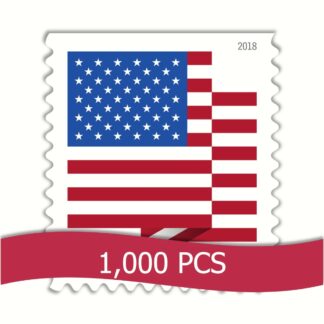
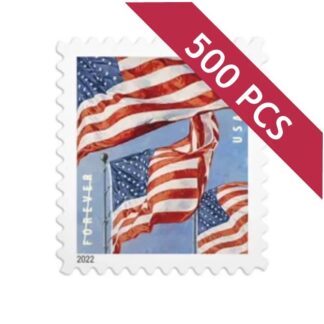
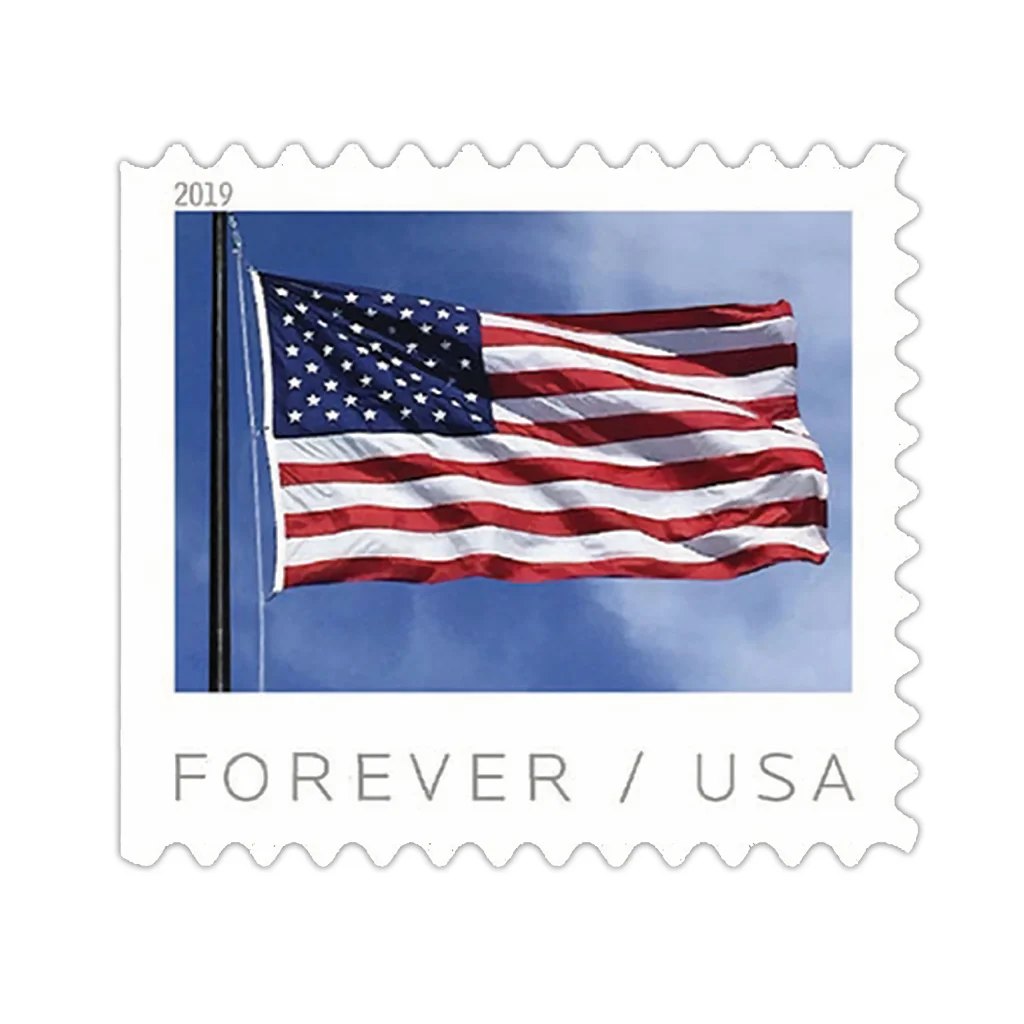
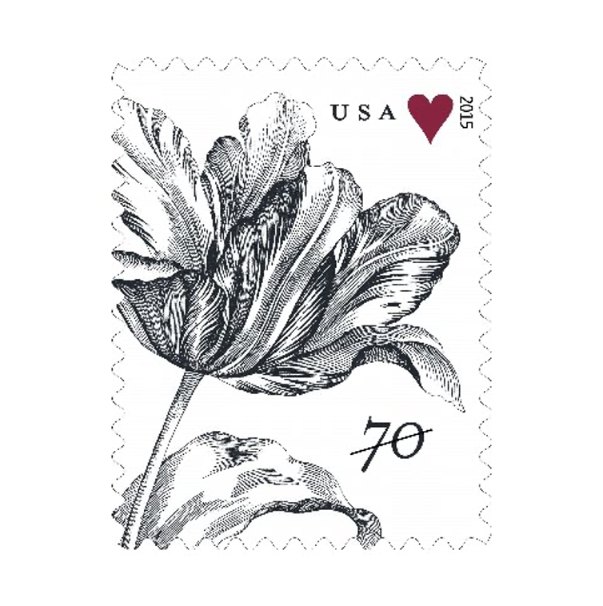
When selecting styles for an NGO, utility should lead. Stick to **US Flag** designs (2017–2024). They are universally accepted for business and are the most common in surplus inventory, meaning better discounts to protect your mission. Classic **Floral** or **Animal** themes are perfect for personal donor thank-yous. They remain “in style” for years and provide the most consistent surplus discounts compared to the newest set of releases. Avoid the newest 2026 commemorative releases for bulk mailing; because they are new, they rarely appear in discounted surplus channels. Stick to the classics to keep your costs within the 8%–25% savings bracket.
I rely on the “overlooked metrics” to guide our planning. I talked to Anita Patel, a tax manager in New Jersey, and she reminded me: “The cheapest price is the one that doesn’t trigger a lawyer’s fee.” For our NGO moving 3,500 units a month, the peace of mind that comes with a legitimate wholesale coil of 100 is worth ten times the “bargain” of a TikTok ad. We use Flag Stamps from 2023-2024. They are the workhorses of the secondary market. No returned appeal letters, no reputation erosion. Encouraging you to discover what fits yourself is the first step in our administrative audit.
The Compliance Ledger: Audit-Proofing Your Board Reports
If the IRS or our Board audits us, they don’t want a “Misc Office Supplies” box; they want a manifest. By ordering a 1000 stamps pack once a quarter, we have four clean, professional invoices for the whole year. It establishes the “Profit Motive” (or Stewardship Motive) that defines a well-run organization. Truly, the best saving is not having to do everything twice. We avoid the “Retail Shoebox” of scattered receipts and move toward industrial-scale asset management. Why pay the “Charity Tax” of full retail when you can invest that money back into the community?
| Inventory Size | Retail Spend (2026) | Wholesale Spend | Reclaimed Impact Capital |
|---|---|---|---|
| 1,000 Stamps (10 Coils) | $780 | $610 | 1 Month Utility Bill |
| 5,000 Stamps (50 Coils) | $3,900 | $3,050 | Staff Training Day |
| 10,000 Stamps (100 Coils) | $7,800 | $6,100 | New Outreach Van Tires |
“Every time I stick a full-price stamp on a letter, I feel like I’m taking a meal away from a kid. At $0.62, I feel like I’m doing my job as a steward of Austin’s generosity.”
— Jameson Hart
📖 Expert Usage Tips for Forever Stamps

Former USPS clerk with 25 years of service, now retired in Florida. She writes about Forever Stamps for the website, offering reliable insights on postal changes, discount opportunities, and practical mailing solutions for households.